

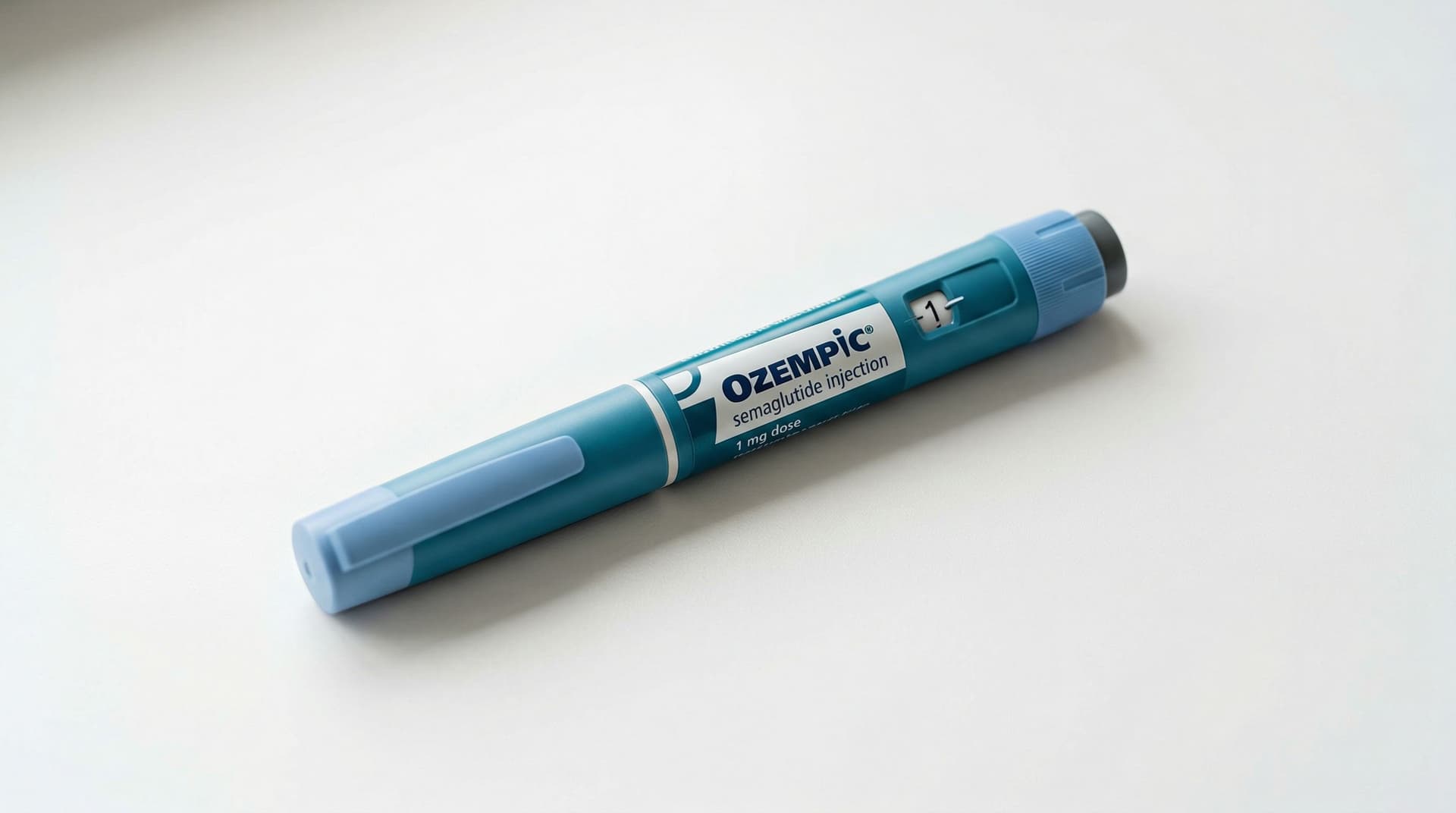
Wegovy (semaglutide 2.4 mg/week) produces an average 14.9% body weight loss at 68 weeks in clinical trials and 15.2% at 104 weeks — but real-world data is dramatically lower. A 50,000-patient JAMA Internal Medicine study (2024) showed real-world weight loss averaged 6.8% at one year because roughly half of patients stop within 12 months, mostly due to cost or side effects. If you titrate fully to 2.4 mg and stay on for 12+ months, your most likely outcome is 12-18% body weight loss; if you stop at month 3-6, it's 4-7%. Cost is the #1 reason patients quit early — and the four legitimate cheaper paths in June 2026 are the Wegovy Savings Card at $25/mo (commercial insurance), Medicare GLP-1 Bridge at $50/mo (launches July 1), NovoCare direct cash-pay at $249/mo, or compounded semaglutide starting at $69/mo via Embody (advertised starting rate; some checkout funnels quote about $99 month-to-month), $99/mo via Trimi (annual plan), or $179/mo via TrimRx (Highest Rated). Here's the realistic week-by-week weight loss curve, what the trial data actually says, why real-world results lag the trials, the four factors that determine whether you lose more or less than average, and how to stay on the medication long enough to actually hit those numbers.
Quick answer: how much weight will you lose?
| Time on Wegovy | Trial average (STEP-1, STEP-5) | Real-world average (JAMA 2024) | Realistic range |
|---|---|---|---|
| Week 4 (0.25-0.5 mg titration) | 2-3% body weight | 1-2% | 1-4% |
| Week 12 (1.0-1.7 mg) | 5-7% body weight | 3-4% | 3-8% |
| Week 24 (2.4 mg target) | 9-11% body weight | 5-7% | 5-13% |
| Week 52 (1 year) | 13-15% body weight | 6-8% | 6-18% |
| Week 68 (STEP-1 endpoint) | 14.9% body weight | — | 8-20% |
| Week 104 (2 years, STEP-5) | 15.2% body weight | — | 9-22% |
For a 200 lb person, that's roughly 12-22 lbs at 6 months, 16-36 lbs at 12 months, and 18-44 lbs at 24 months — if you stay on the medication.
What the trial data actually says
Wegovy's weight loss data comes from the STEP trial program — five randomized phase-3 trials in 6,000+ patients with obesity (BMI ≥30) or overweight (BMI ≥27 + comorbidity), all without Type 2 diabetes. The patient population matters: STEP excluded T2D patients (those went to SUSTAIN/SELECT), which is why semaglutide produces more weight loss in obesity-only patients than in T2D patients.
| Trial | N | Duration | Patient profile | Avg weight loss | Source |
|---|---|---|---|---|---|
| STEP-1 (2021) | 1,961 | 68 weeks | Obesity, no T2D | 14.9% | NEJM, Feb 2021 |
| STEP-3 (2021) | 611 | 68 weeks | Obesity + intensive lifestyle | 16.0% | JAMA, Feb 2021 |
| STEP-4 (2021) | 803 | 48 weeks | Continued vs withdrawn semaglutide | 17.4% (continued) vs 6.9% (withdrawn) | JAMA, Mar 2021 |
| STEP-5 (2022) | 304 | 104 weeks | Obesity, two-year endpoint | 15.2% | Nature Medicine, Oct 2022 |
| STEP-8 (2022) | 338 | 68 weeks | Wegovy vs liraglutide | 15.8% (sema) vs 6.4% (lira) | JAMA, Jan 2022 |
Key takeaways from the trials:
- Weight loss plateaus around month 12-15, then holds (STEP-5 showed the curve flattens but doesn't reverse on continued therapy).
- Stopping Wegovy produces meaningful regain: STEP-4 showed patients who stopped at week 20 regained two-thirds of lost weight by week 68.
- ~32% of trial patients lost ≥20% body weight (the "super-responder" tail) — and ~14% lost <5% (low responders).
Why real-world weight loss is much lower
A 2024 JAMA Internal Medicine study analyzed 50,395 commercially insured patients on Wegovy or compounded semaglutide. The real-world numbers were dramatically below the trial averages:
- 47% of patients stopped Wegovy within 12 months. The top reasons: cost (~30%), side effects (~20%), insurance denial (~15%), and "no longer needed" (~10%).
- Real-world average weight loss at 12 months was 6.8% vs the trial average of 13-15%.
- Patients who stayed on Wegovy for the full 12 months lost 12.4% on average — meaningfully closer to trial data, but still below trial averages (because real-world adherence isn't perfect either).
Translation: if you actually stay on Wegovy and titrate fully to 2.4 mg, you'll likely lose somewhere in the trial range (12-18% at 12 months). If you stop at month 3-6 (which roughly half of patients do), your weight loss will be 4-7%, and you'll regain most of it within 12 months of stopping.
Week-by-week realistic expectations
Here's what to expect at each titration milestone if you tolerate the dose escalations and stay on. Numbers are real-world adherence-adjusted, based on the JAMA cohort and Novo Nordisk's post-marketing data.
Weeks 1-4 (0.25 mg/week starter dose) Expected loss: 1-4% body weight (2-8 lbs for a 200 lb person).
This is the lowest dose. Side effects are most prominent here: ~50% of patients experience nausea, ~30% constipation, ~20% diarrhea. Most resolve within 1-2 weeks as your gut adapts. Appetite suppression is real but subtle — most patients describe "I just forget to eat" or "I feel full faster" rather than dramatic hunger loss. Don't escalate before tolerating week 4 — failed titration drives early discontinuation.
Weeks 5-8 (0.5 mg/week) Expected loss: 3-6% cumulative.
Side effects typically ease here as your gut adapts. Some patients see a brief weight loss plateau if they over-ate during the gut-comfort window in weeks 3-4 — normal, not a sign anything's wrong. This is also when "food noise" (intrusive thoughts about food) starts to genuinely quiet down for most responders.
Weeks 9-12 (1.0 mg/week) Expected loss: 5-9% cumulative.
You're now at the dose where most patients see clear, sustained progress. Mid-titration is also when you start to see your eating-pattern changes solidify (smaller portions feel satisfying, alcohol becomes less appealing, sweet cravings often drop). Watch for: muscle loss if protein intake is <0.8 g/kg/day. Start resistance training now if you haven't.
Weeks 13-16 (1.7 mg/week) Expected loss: 7-13% cumulative.
Approaching maintenance dose. Most super-responders are clearly tracking toward the trial averages by this point. If you're below 5% at week 16, you're likely a low responder — talk to your prescriber about either switching to tirzepatide (different mechanism, may work where semaglutide didn't) or adjusting other variables (sleep, protein, training).
Weeks 17-24 (2.4 mg/week maintenance) Expected loss: 9-15% cumulative at 24 weeks.
This is the FDA-approved obesity maintenance dose. Most weight loss happens between weeks 12-52 — month 6 is roughly the halfway mark of total expected loss. Side effects at 2.4 mg are usually well-tolerated by patients who titrated slowly; severe GI issues at this dose suggest you should drop back to 1.7 mg rather than push through.
Months 6-12 (continued 2.4 mg/week) Expected loss: 12-18% cumulative at 12 months.
The bulk of remaining weight loss happens here. You'll likely see your weight loss slow from ~1.5-2 lbs/week (early titration peak) to ~0.5-1 lb/week (months 6-12). This is normal and expected — your basal metabolic rate has dropped with the weight loss, and you're closer to your new set point.
Months 12-24 (continued maintenance) Expected loss: 13-18% cumulative at 24 months (STEP-5 average: 15.2%).
Weight loss largely plateaus at 12-15 months for most patients. Some lose another 1-3% in year two; some hold steady. The clinical question shifts from "how much will I lose" to "how do I stay on cost-effectively" — which is where the cheaper paths below matter.
Four factors that determine whether you lose more or less than average
1. Did you titrate fully to 2.4 mg? Patients who stop at 1.0 mg or 1.7 mg lose meaningfully less. If side effects are tolerable, the 2.4 mg dose is where the bulk of weight loss happens. 2. Did you protect muscle? Protein intake ≥1.2 g/kg/day + resistance training 2-3×/week shifts the lost weight composition from 25% lean / 75% fat (typical) to ~10% lean / 90% fat (preserved muscle). Same scale weight, dramatically better body composition. See our GLP-1 muscle loss guide. 3. Did you stay on long enough? Real-world median time on Wegovy is ~8 months. Trial data assumes 68+ weeks. If you stop at month 6, you'll capture about 50-60% of the total expected weight loss. 4. Did you sleep? Sleep <6 hours/night reduces leptin and increases ghrelin (the hunger hormones GLP-1 partially blunts). Sleep-restricted Wegovy patients in observational cohorts lose about 30% less than well-rested patients on the same dose.
Why cost is the #1 reason patients stop
The JAMA real-world data is clear: 30% of patients who stop Wegovy cite cost as the primary reason. Wegovy's list price is $1,349/month. Real-world cost depends on which path you're on:
| Source | Monthly cost | Eligibility |
|---|---|---|
| Wegovy Savings Card | $25/mo | Commercial insurance + Wegovy on formulary |
| Medicare Bridge | $50/mo from Jul 1 | Part D + qualifying tier |
| NovoCare cash-pay | $249/mo | Direct from Novo, no insurance needed |
| Compounded semaglutide | $99-$249/mo | Cash-pay, no diagnosis required |
| Brand Wegovy retail | $1,349/mo | Cash, no programs |
If cost is the reason you'd quit at month 6, switching to a compounded semaglutide path can preserve your weight loss without the price tag. Same active molecule, same titration, US 503A licensed pharmacy. Real-world adherence on compounded programs is higher than on brand specifically because the cost barrier is lower — and longer time on the medication is the single biggest predictor of total weight loss.
For the full Wegovy cost breakdown see our How to Get Wegovy Cheaper guide. If your insurance has denied Wegovy, see our Wegovy Prior Authorization Playbook — roughly 70% of fully-appealed PAs are eventually approved.
Compounded provider list (commission-first)
If you're paying out of pocket and the brand-Wegovy price is what would make you quit at month 6, compounded semaglutide is the cleanest long-term path. Ranked by what we'd actually recommend:
- TrimRx — Highest Rated. Semaglutide $179/mo flat at any dose. US-licensed prescribers, monthly check-ins, lab monitoring. Best for patients who want clinical supervision while paying cash — closest to the brand-Wegovy experience at a fraction of the price.
- Embody. Semaglutide from $69/mo (injection). Cheapest floor in the entire compounded market — $828–$1,188/year total medication cost.
- SnagRx. Semaglutide $69/mo on the 12-month plan ($99 month-to-month), locked in for life so the rate never rises as your dose climbs. LegitScript-certified.
- Trimi. Semaglutide $99/mo on the annual plan ($1,188 paid once; $175 month-to-month), flat at every dose.
- bmiMD. Semaglutide $119/mo on the 12-month plan ($159 month-to-month). Not available in Louisiana or Mississippi.
- ShedRx. Semaglutide $159/mo on the 12-month plan ($199 monthly, 2-month minimum). Ships to all 50 states, with a brand-name pathway if you later move to FDA-approved Wegovy.
For the full compounded grid see our cheapest compounded semaglutide ranking. For the molecule-level comparison see our tirzepatide vs semaglutide guide — tirzepatide produces more weight loss on average (20.2% vs 13.7% in SURMOUNT-5 head-to-head) and is priced the same at the compounded floor.
Regulatory caveat: FDA 503B comment period closes June 29, 2026
If you're considering compounded as your long-term path, you should know: the FDA proposed on May 1, 2026 to permanently exclude semaglutide, tirzepatide, and liraglutide from the 503B Bulks List. The comment period closed June 29, 2026. 503A patient-specific compounding (which is what the providers above use) is unaffected by this proposal and continues regardless of outcome. Full analysis: FDA 503B Compounded Ban Explainer.
What if Wegovy isn't working for you?
If you're at week 16+ on full 2.4 mg dose and you've lost <5% body weight, you're a low responder. About 14% of patients fall into this category. Options:
1. Audit the basics. Sleep <6 hours, protein <0.8 g/kg, no resistance training, or significant alcohol intake can blunt response by 30%+. Fix these first before changing meds. 2. Switch to tirzepatide. Dual GLP-1/GIP mechanism recruits a separate pathway. About 60-70% of semaglutide non-responders see meaningful weight loss on tirzepatide. See our tirzepatide vs semaglutide guide and Mounjaro vs Ozempic head-to-head. 3. Stack with metformin. If you have prediabetes or metabolic syndrome, adding metformin (1500-2000 mg/day) to Wegovy improves response in ~40% of patients. Talk to your prescriber. 4. Re-evaluate the diagnosis. Underlying hypothyroidism, Cushing's, PCOS, or sleep apnea can blunt GLP-1 response. A basic workup is worth it before switching meds.
FAQ
How fast does Wegovy work in the first month? Most patients lose 1-4% body weight in the first 4 weeks (2-8 lbs for a 200 lb person). Some lose less because the starter dose (0.25 mg) is intentionally subtherapeutic — its purpose is to build tolerance, not maximize loss. Don't be discouraged if the first month is slow.
Why am I not losing weight on Wegovy week by week? The most common reasons: (1) you're still on a low titration dose (0.25-0.5 mg) — the bulk of weight loss happens at 1.7-2.4 mg; (2) you increased food intake during the gut-comfort window in weeks 3-4; (3) you're under-sleeping or under-protein; (4) you're a genetic low responder. Stick with full titration before concluding it doesn't work.
Will I regain weight if I stop Wegovy? Yes, in most cases. STEP-4 showed patients who stopped Wegovy at week 20 regained two-thirds of lost weight by week 68. This is normal physiology — GLP-1 treats the metabolic driver (hunger and satiety dysregulation) but doesn't cure it. The current standard of care assumes long-term use, similar to high blood pressure medication.
Is compounded semaglutide as effective as brand Wegovy? The active molecule is identical. Effectiveness depends on dose, adherence, and titration — not on whether the pharmacy is Novo Nordisk or a US 503A compounder. Real-world adherence is often higher on compounded programs specifically because the cost barrier is lower. For deeper detail see our Ozempic-to-compounded switching guide.
How much weight will I lose on Wegovy in 3 months? At 12 weeks (typically reached 1.0-1.7 mg dose), trial average is 5-7% body weight. Real-world average is 3-4% (because adherence isn't perfect and titration isn't always linear). Realistic range: 3-8% (6-16 lbs for a 200 lb person).
Does Wegovy stop working after a year? No — but the rate slows dramatically. Most weight loss happens in months 0-12. In year 2 (STEP-5 data), patients lost an additional 0.3-3% on average. The medication continues working to maintain the lost weight rather than driving continuous additional loss.
What's the maximum weight loss possible on Wegovy? The top 10% of responders in STEP-1 lost ≥25% body weight at 68 weeks. The maximum recorded was ~38%. These are outliers — the typical range is 10-22%. For comparison, tirzepatide's max-dose group in SURMOUNT-1 had super-responders at ≥30% body weight loss.
Should I switch to Zepbound for better weight loss? Possibly. SURMOUNT-5 head-to-head showed tirzepatide produced 20.2% weight loss vs semaglutide's 13.7% at the same trial design. If your weight loss has plateaued on full-dose Wegovy and you're below your goal, switching to Zepbound (or compounded tirzepatide) is a defensible next step. See our Zepbound cheaper paths guide and tirzepatide vs semaglutide comparison.
For our full provider grid see the cheapest GLP-1 programs page. For the long-term cardiovascular and kidney case for staying on a GLP-1, see our 90,000-patient Ozempic safety analysis. For Medicare coverage starting July 1, see our Medicare Bridge enrollment guide. For PA appeals if your insurance denies Wegovy, see our Wegovy Prior Authorization Playbook.