

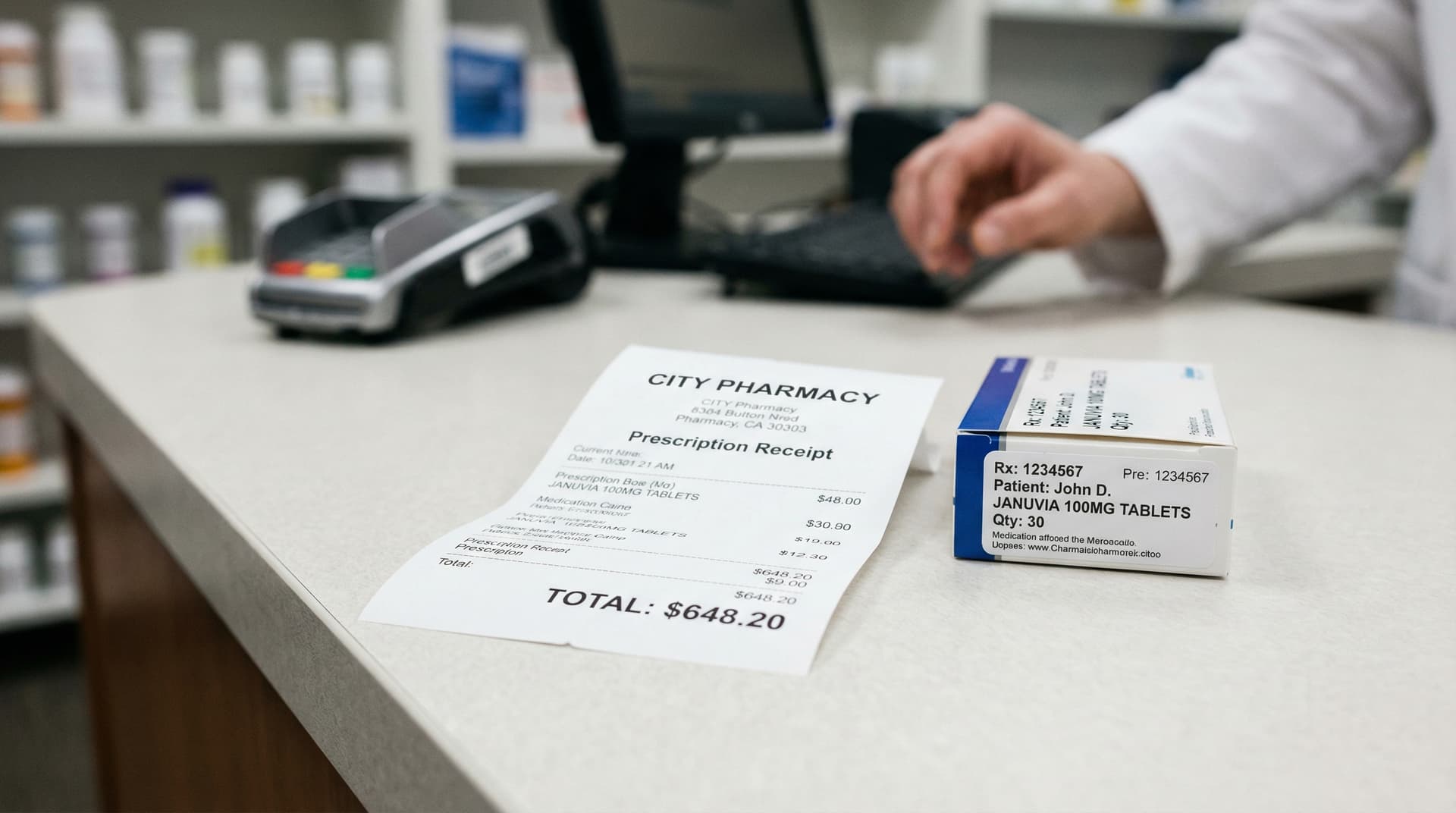
No — compounded semaglutide is not banned, and nothing changes for patients this month. But the FDA has proposed permanently excluding semaglutide, tirzepatide, and liraglutide from the 503B Bulks List, with the public comment period closing June 29, 2026. If finalized, large-scale outsourcing facilities — where most of today's compounded GLP-1 supply is made — lose their legal pathway to compound these drugs from bulk ingredients. What survives: 503A patient-specific compounding under state pharmacy board oversight, which operates under a separate statute the proposal doesn't touch. Here's what's actually at stake, the realistic timeline, the three questions to ask your telehealth provider this week, and which programs are best positioned to keep shipping.
What the FDA actually proposed (and what it didn't)
On May 1, 2026, the FDA published a proposed rule in the Federal Register finding no clinical need for outsourcing facilities to compound semaglutide, tirzepatide, or liraglutide from bulk drug substances. The agency's press announcement cited more than 455 adverse event reports linked to compounded semaglutide and more than 320 for compounded tirzepatide — many involving dosing errors from patients drawing the wrong amount from multi-dose vials.
What this would ban, if finalized: 503B outsourcing facilities — FDA-registered factories that compound in large batches — could no longer produce semaglutide, tirzepatide, or liraglutide from bulk ingredients, under any market conditions, permanently.
What this would NOT ban: - 503A patient-specific compounding. Traditional compounding pharmacies that prepare medication for an individual named patient, under a prescription, regulated by state pharmacy boards. They don't rely on the 503B Bulks List at all — separate statute, separate rules. - Brand products. Wegovy, Ozempic, Zepbound, Mounjaro, and Foundayo are untouched. - Anything currently in your fridge. Already-dispensed medication is yours.
The honest version of "is compounded semaglutide legal right now?"
Yes, through two narrowing channels:
1. 503B facilities still operate today — the proposal is not final. Comment period ends June 29, 2026; a final rule typically lands months later, often with a compliance window. 2. 503A pharmacies compound patient-specific formulations. Since the FDA removed semaglutide (February 2025) and tirzepatide (October 2024) from the shortage list, 503A pharmacies have relied on personalized formulations — clinically documented modifications (different strength, added B12, etc.) so the compound isn't "essentially a copy" of the brand product. Courts have largely sided with pharmacies that document genuine medical need, but this is the most legally contested corner of the market.
The realistic read: the FDA is methodically closing the high-volume channel while leaving the traditional, patient-specific channel intact. The market is already migrating — telehealth programs are shifting pharmacy partners from 503B batch production to 503A patient-specific dispensing.
What this means for your monthly supply
Short term (June-September 2026): No change. 503B supply continues while the rule is pending.
If the rule finalizes (likely late 2026 / early 2027): Programs that depend on a single 503B partner will scramble. Programs with multiple pharmacy relationships — especially existing 503A networks — transition with little disruption. Expect modest price pressure upward: patient-specific compounding costs more per unit than batch production.
Worst case for compounded entirely: If 503A personalized formulations also get squeezed (via FDA enforcement or state boards), the fallback ladder is brand: NovoCare cash-pay Wegovy at $249/month, Foundayo at $149/month, the Medicare Bridge Program at $50/month if you qualify, or savings cards at $25/month if you're commercially insured — see our Wegovy cheaper guide.
Three questions to ask your telehealth provider this week
1. "Which pharmacy fills my prescription, and is it 503A or 503B?" A legitimate program answers instantly. If your medication comes from a 503B facility, ask the follow-up: "What's your plan if the FDA finalizes the Bulks List exclusion?" 2. "Do you have a 503A pathway?" Programs with patient-specific compounding relationships keep shipping if the rule lands. Programs built solely on 503B batch supply face a gap. 3. "What's your brand pathway?" The strongest programs can transition you to brand Wegovy or Zepbound (with savings programs applied) if compounding tightens further.
Which programs are best positioned (June 2026)
Our tracked programs ranked for supply-chain resilience — multiple pharmacy partners, clinical infrastructure, and brand pathways:
- TrimRx — $199/month (Editor's Choice). Multiple pharmacy partners, LegitScript-listed, explicit dose-continuity intake. The flat pricing has held through every regulatory shift since 2024.
- MyStart Health — $224/month with code SELFLOVE25. The standout here: a built-in brand upgrade pathway. If compounding tightens, MyStart transitions you to brand Wegovy/Ozempic without changing providers. Unlimited clinician access included.
- Yucca Health — $146/month on 6-month plan. Strong credentialing. Worth asking about the 6-month commitment's pause terms given the regulatory timeline — their day-14 refund window is the thing to note.
- MEDVi — $179 first month. Low-commitment entry point — a reasonable choice if you want compounded pricing now without a long lock-in while the rule is pending.
- Embody — $99/month. Cheapest credentialed option. Month-to-month, so regulatory risk to you is capped at one cycle.
- SkinnyRx — $199/month. Multi-format delivery (injection, drops, lozenges, tablets) — formats that map naturally onto 503A patient-specific prescribing.
For full pricing detail see our compounded semaglutide ranking and compounded tirzepatide ranking.
Is compounded semaglutide safe? The adverse-event numbers in context
The FDA's 455+ semaglutide and 320+ tirzepatide adverse event reports deserve honest framing. Most cited incidents involve dosing errors — patients drawing 10x the intended dose from multi-dose vials — not contamination or bad ingredients. That's a real risk, and it's the strongest argument for choosing a program with real clinical support over a bare-bones vial shipper:
- Programs that ship dose-marked syringes and titration charts (all six listed above do) dramatically reduce draw errors.
- Programs with unlimited clinician messaging (MyStart) catch mistakes early.
- The brand products' pre-filled pens eliminate draw error entirely — if your budget reaches $249 (NovoCare) and you're risk-averse, that's the trade.
For scale: an estimated 2+ million Americans have used compounded GLP-1s since 2023. The per-patient adverse event rate remains low — but it is not zero, and it is higher than brand pens. Choose accordingly.
Should you submit a comment to the FDA?
If compounded access matters to you, yes — the docket is open through June 29, 2026 at regulations.gov (docket referenced in the Federal Register notice). Patient comments documenting affordability gaps — brand at $249-$1,349 vs compounded at $99-$224 — are part of the record the FDA must consider. It takes ten minutes.
FAQ
Is compounded semaglutide banned right now? No. The FDA proposal is not final. 503B facilities still operate, and 503A patient-specific compounding continues under separate rules.
When would a ban actually take effect? Comment period closes June 29, 2026. A final rule typically follows months later, usually with a compliance window — realistically late 2026 at the earliest for 503B impact.
Does this affect compounded tirzepatide too? Yes — the proposal covers semaglutide, tirzepatide, and liraglutide equally. Everything in this article applies to compounded tirzepatide programs.
Will my price go up? Probably modestly, over time. 503A patient-specific compounding costs more per unit than 503B batch production. Expect the $99 floor to drift toward $129-$149 if the rule finalizes.
Should I stockpile? No. Compounded semaglutide has limited beyond-use dating (typically 28-90 days refrigerated depending on formulation). Buying ahead of what you can use within dating wastes money and risks degraded medication. A month-to-month program with a resilient supply chain is the better hedge.
What's the safest move if I'm starting GLP-1 therapy this month? Pick a program with multiple pharmacy partners and a brand pathway (TrimRx, MyStart), or start month-to-month (Embody, MEDVi) and reassess after the FDA's final rule. Avoid 12-month prepayment anywhere in this market right now.
For ongoing tracking of the FDA docket and every pricing change, our Tuesday newsletter covers regulatory moves the week they happen. For the full provider grid, see cheapest GLP-1 programs.