GLP-1 FDA Safety Alerts & Warnings — 2026 Tracker
Every FDA warning letter, safety signal, and enforcement action related to GLP-1 medications, tracked and explained in plain language. Updated continuously as new alerts are issued.


2026 Alert Summary
The FDA has dramatically increased enforcement against GLP-1 compounders since declaring the semaglutide shortage over. Simultaneously, safety investigations into vision loss, gastroparesis, and pancreatitis continue to evolve. Below is every major alert, explained for patients.
All Alerts & Warnings
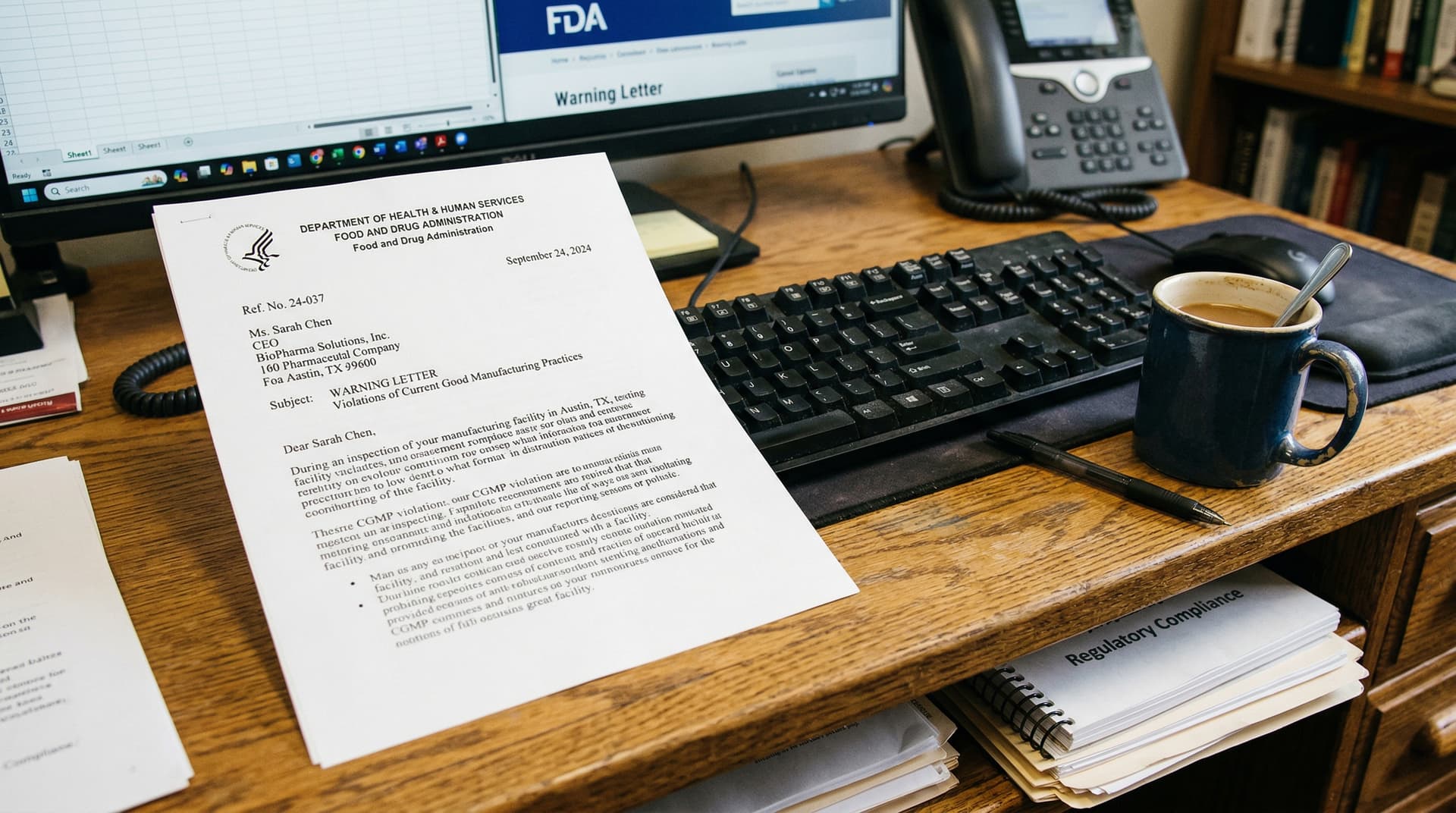
FDA Issues Warning Letters to 12 Additional GLP-1 Compounders
The FDA sent warning letters to 12 more compounding pharmacies producing semaglutide products after the shortage was declared over. These pharmacies were found to be marketing compounded semaglutide as alternatives to Ozempic and Wegovy without proper authorization.
What This Means for Patients
If you are currently receiving compounded semaglutide, verify your pharmacy is still legally operating. Consider transitioning to brand-name or an authorized provider.
Contamination Reports from Compounding Pharmacies Under Investigation
The FDA is investigating reports of bacterial contamination in injectable GLP-1 products from at least 5 compounding pharmacies. Several patients reported injection site infections, and two were hospitalized with sepsis linked to contaminated vials.
What This Means for Patients
Stop using any compounded injectable GLP-1 if you notice cloudiness, particles, or discoloration. Seek medical attention immediately if you develop fever, redness, or swelling at injection sites.
Semaglutide Shortage Officially Declared OVER by FDA
The FDA confirmed that the semaglutide shortage, which began in 2022, is fully resolved. All dose strengths of both Ozempic and Wegovy are now available. This means compounding pharmacies can no longer legally produce copies under the shortage exemption.
What This Means for Patients
Compounded semaglutide is now illegal unless from a 503B outsourcing facility with an active FDA registration. Patients on compounded versions should transition to brand-name or find a new provider.
FDA Expands Investigation into Vision Loss (NAION) Risk
Following a 2024 study from Harvard linking semaglutide to non-arteritic anterior ischemic optic neuropathy (NAION), the FDA has expanded its investigation. A new analysis of insurance claims data suggests the risk may be 2-4x higher in GLP-1 users compared to non-users.
What This Means for Patients
Report any sudden vision changes (blurriness, blind spots, or vision loss in one eye) to your doctor immediately. This is especially important if you have diabetes or other vascular risk factors.
Updated Pancreatitis Warning Added to GLP-1 Labels
The FDA required updated labeling for all GLP-1 receptor agonists to include stronger language about pancreatitis risk. Post-marketing data shows approximately 1 in 500 patients experience acute pancreatitis, with risk elevated in the first 3 months of use.
What This Means for Patients
Know the symptoms: severe upper abdominal pain radiating to the back, nausea, and vomiting. If you experience these, stop the medication and seek emergency care. Risk is highest during dose escalation.
FDA Warning Letters Cumulative Total Exceeds 50 Compounders
The cumulative number of FDA warning letters sent to GLP-1 compounding pharmacies surpassed 50 in early 2026. Violations include producing drugs from unapproved salt forms (semaglutide sodium), inadequate sterility testing, false marketing claims, and operating without proper state licenses.
What This Means for Patients
Check if your compounding pharmacy has received a warning letter on the FDA website. If they have, stop using their products and switch to a verified provider immediately.
Semaglutide Sodium Salt Form Flagged as Unapproved Drug
The FDA issued a safety communication clarifying that semaglutide sodium is a different chemical entity from the semaglutide base used in Ozempic and Wegovy. Products containing semaglutide sodium have not been evaluated for safety or efficacy and are considered unapproved drugs.
What This Means for Patients
Ask your provider whether your compounded semaglutide uses the base form or sodium salt. If they cannot confirm or use the sodium form, discontinue use and consult your doctor.
Thyroid C-Cell Tumor Warning Remains Under Review
The FDA continues to monitor long-term data on the thyroid C-cell tumor risk flagged in animal studies. While no definitive link has been established in humans, the boxed warning remains on all GLP-1 medications. A 10-year epidemiological study is ongoing.
What This Means for Patients
GLP-1 medications remain contraindicated for patients with a personal or family history of medullary thyroid carcinoma (MTC) or Multiple Endocrine Neoplasia syndrome type 2 (MEN2).
Gastroparesis Reports Prompt FDA Review of GLP-1 GI Effects
A growing number of adverse event reports describing severe gastroparesis (stomach paralysis) prompted the FDA to initiate a formal review. Some patients report persistent symptoms lasting months after discontinuing GLP-1 medications.
What This Means for Patients
If you experience severe nausea, vomiting, bloating, or feeling full after small meals that persists or worsens, talk to your doctor about gastroparesis evaluation. Symptoms should be reported to FDA MedWatch.
FDA Cracks Down on Social Media GLP-1 Sales
The FDA and FTC jointly targeted over 30 social media accounts and websites selling GLP-1 medications without proper pharmacy licenses or medical oversight. Many used fake celebrity endorsements and AI-generated testimonials to promote unregulated products.
What This Means for Patients
Never purchase GLP-1 medications from social media ads, TikTok shops, or unverified websites. Always verify the pharmacy license and prescribing physician before purchasing.
How to Stay Safe
Actionable steps to protect yourself in the current GLP-1 landscape.
Use only FDA-approved brand-name medications when possible
Ozempic, Wegovy, Mounjaro, and Zepbound are the only FDA-approved GLP-1 medications for weight loss and diabetes. These have undergone rigorous safety and efficacy testing.
Verify your pharmacy's license and FDA registration
If using a compounding pharmacy, confirm it is a registered 503B outsourcing facility on the FDA's website. State-licensed 503A pharmacies may no longer legally compound semaglutide.
Report adverse events to FDA MedWatch
If you experience unexpected side effects, file a report at fda.gov/medwatch. This data helps the FDA identify emerging safety signals and protect other patients.
Get regular eye exams if on GLP-1 medications
Given the ongoing NAION investigation, annual eye exams are recommended, especially if you have diabetes or other vascular risk factors.
Know the symptoms of pancreatitis and gastroparesis
Severe abdominal pain, persistent nausea, vomiting, and feeling full after small meals are symptoms that require immediate medical evaluation.
Official FDA Resources
Protect Yourself
Use our scam checker to verify any GLP-1 provider, or browse our independently verified provider rankings to find a safe, legitimate option.