GLP-1 Scam Checker: How to Verify Your Provider
The FDA has issued warning letters to over 50 compounding pharmacies selling GLP-1 medications. Before you buy, use this guide to verify your provider is legitimate and safe.


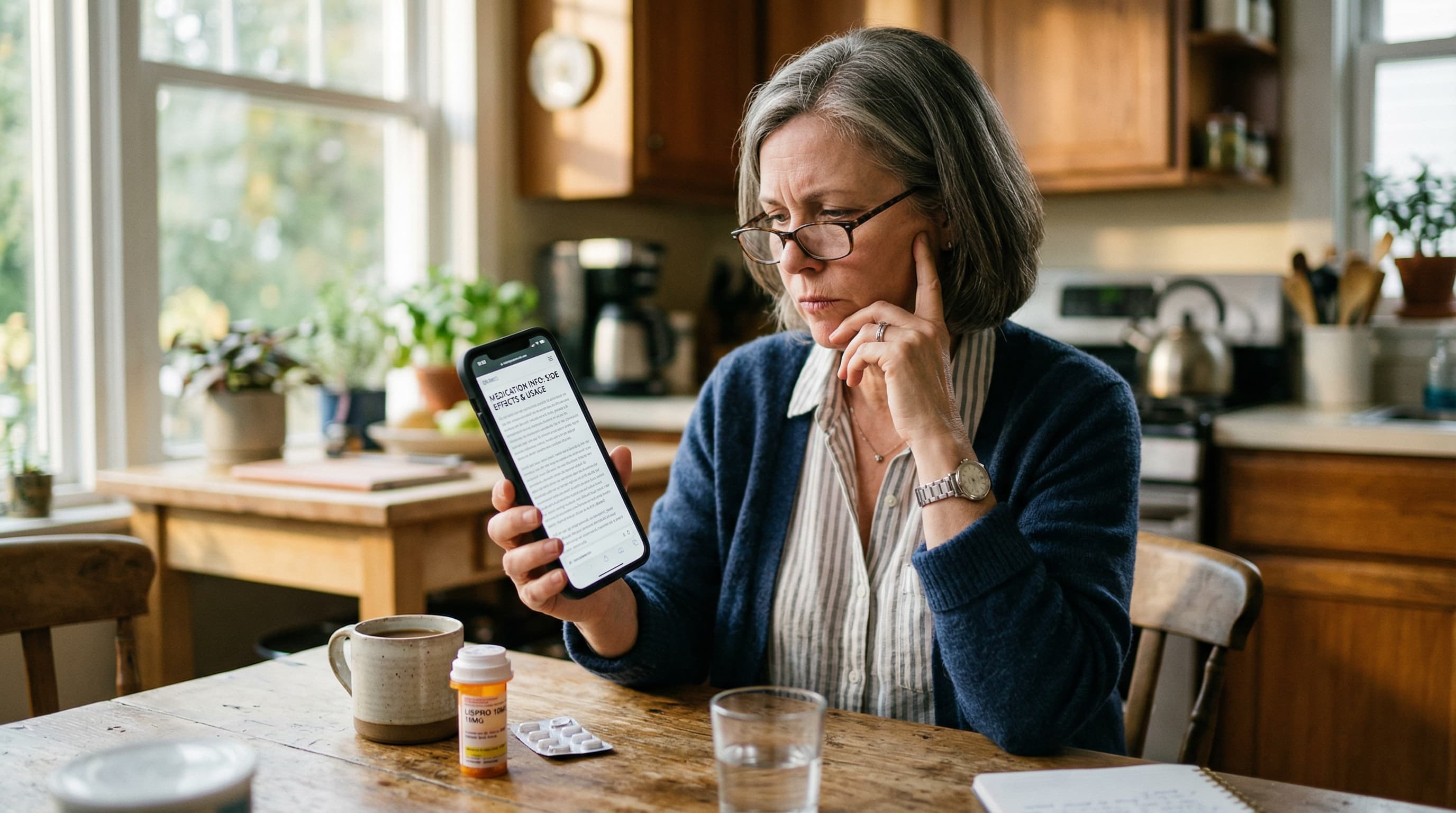
The Scale of the Problem
The booming GLP-1 market has attracted bad actors ranging from unlicensed pharmacies selling contaminated products to outright scammers who take your money and ship nothing. The FDA shortage declaration ending in February 2025 made many compounded semaglutide products illegal, but enforcement is still catching up.
Red Flags — Warning Signs of a Scam
Fake Celebrity Endorsements
Ads claiming Oprah, Elon Musk, or other celebrities endorse a specific GLP-1 product. These are almost always fabricated using deepfakes or misquoted interviews.
Too-Good-to-Be-True Pricing
Semaglutide for $99/month or less with no medical consultation. Legitimate compounded semaglutide costs $150-400/month; brand-name is $900+. If it seems too cheap, it is.
No Named Physicians
The provider won't tell you who their prescribing physicians are. Legitimate providers list their medical team and their credentials publicly.
No Pharmacy Verification
They can't provide the name and state license number of their dispensing pharmacy. Every legitimate pharmacy has a verifiable state license.
Guaranteed Weight Loss Claims
Promises like 'lose 30 lbs in 30 days' or 'guaranteed results.' No legitimate medical provider guarantees specific weight loss outcomes.
No Medical Screening
They'll sell to anyone without medical history review, BMI requirements, or contraindication checks. GLP-1 medications require proper medical evaluation.
Pressure Tactics & Limited Supply
'Only 5 left!' or 'Price going up tomorrow!' Legitimate pharmacies don't use high-pressure sales tactics to sell prescription medication.
Payment via Crypto or Wire Only
Refusal to accept credit cards or standard payment methods. Scammers prefer irreversible payment methods. Legitimate providers accept major credit cards.
Green Flags — Signs of a Legitimate Provider
State-Licensed Pharmacy
The dispensing pharmacy is licensed in your state and you can verify this license with your state board of pharmacy.
Named, Verifiable Physicians
Their medical team includes named physicians whose licenses you can look up on your state medical board website.
Transparent Pricing
All costs are clearly listed upfront — consultation fees, medication costs, and any ongoing charges. No hidden fees.
Trustpilot / BBB Reviews
Verified reviews on independent platforms like Trustpilot or a BBB rating. Not just testimonials on their own website.
Proper Medical Screening
They require medical history, check BMI eligibility, screen for contraindications, and may require lab work before prescribing.
Ongoing Medical Support
Access to medical providers for follow-up questions, dosage adjustments, and side effect management throughout treatment.
Provider Verification Checklist
Go through each item before purchasing from any online GLP-1 provider.
If you cannot check at least 7 of these 10 items, we strongly recommend choosing a different provider. See our verified provider rankings for safe options.
FDA Warning Letters: What You Need to Know
Since the FDA declared the semaglutide shortage over in February 2025, the agency has ramped up enforcement against compounding pharmacies that continue to produce copycat GLP-1 medications. Here's what the FDA has found:
- Contamination issues: Several compounders were found producing semaglutide in facilities that did not meet sterility standards, risking bacterial contamination in injectable products.
- Incorrect dosing: Some compounded products contained significantly more or less semaglutide than labeled, creating risks of overdose or ineffectiveness.
- Unapproved salt forms: The FDA has flagged compounders using semaglutide sodium instead of semaglutide base, which is a different chemical entity that has not been studied for safety or efficacy.
- Illegal marketing: Many compounders marketed their products as equivalent to Ozempic or Wegovy, which is illegal and misleading to consumers.
The full list of FDA warning letters is available on the FDA's compounding enforcement page.
What To Do If You've Been Scammed
Stop taking the medication immediately
If you received a product from an unverified source, do not use it. Contaminated or misdosed medications can be dangerous.
Contact your bank or credit card company
Dispute the charge and request a chargeback. If you paid by credit card, you have consumer protection rights.
Report to the FDA
File a report with FDA MedWatch at fda.gov/medwatch. This helps the FDA track and shut down bad actors.
Report to your state pharmacy board
File a complaint with your state board of pharmacy. They have authority to investigate and take action against unlicensed sellers.
File an FTC complaint
If you were deceived by false advertising, file a complaint at ftc.gov/complaint. The FTC investigates deceptive health product marketing.
See a doctor
If you took an unverified GLP-1 product and experience any adverse effects, seek medical attention and bring the product with you.
Choose a Verified Provider Instead
We independently review and rank GLP-1 providers on safety, transparency, cost, and support. Every provider we recommend has been verified for legitimacy.