

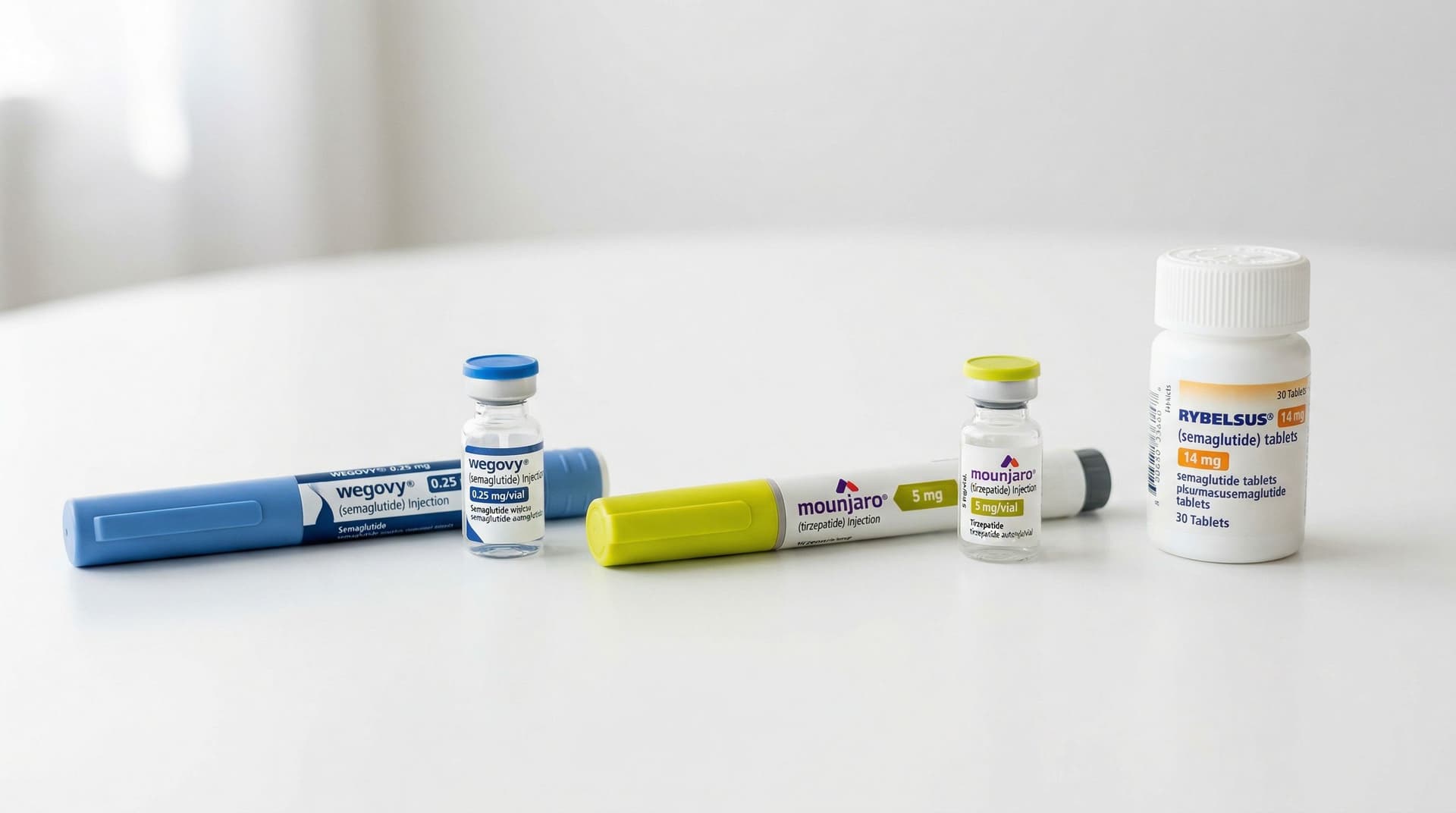
The key to switching GLP-1 providers without running out is to overlap them, not gap them: start the new provider's intake while you still have medication left, and don't cancel the old one until the new meds are in your hand. Done right, you never miss a dose and you keep your current dose instead of restarting from the bottom. Most people switch to escape a membership fee, a dose cap, or a renewal price hike, and the whole thing is easier than it looks. Here's exactly how to time it.
Important: this is general information, not medical advice. Your dose, and whether to continue or re-titrate it when you switch, is a decision your prescriber makes. Always follow your provider's instructions.
Switching mainly to save money? That's the most common reason, and it's completely reasonable. See the best verified GLP-1 providers ranked by all-in cost and credentialing, or the lowest verified price at Embody (from $69/mo). Just don't cancel your current plan until the new meds arrive.
The one rule: overlap, don't gap
The single mistake that causes a treatment gap is cancelling your old provider first, then starting the new one and waiting a week or two for approval, payment, and shipping. Do it the other way around.
Because weekly GLP-1s are, well, weekly, you almost always have some runway left in your current vial or pens. Use it. Start the new provider's intake while you still have at least 2 to 3 weeks of medication on hand. Keep taking your normal doses from your current supply, and only stop paying the old provider once the new shipment has actually arrived. Worst case, you have a small overlap of supply, which is far better than a gap.
Will you have to start over at the lowest dose?
Usually not, if you handle the intake right. The thing to understand is that you are a *continuing* patient, not a brand-new start, and a good provider will treat you that way.
- State your current dose and how long you've been on it in the intake notes (for example, "currently on 1.0mg semaglutide weekly for the past 10 weeks, tolerating well").
- Ask directly whether they'll continue your current dose before your first shipment ships. Most reputable providers will, since abruptly dropping a tolerant patient back to 0.25mg isn't clinically necessary.
- Mention you want to continue, not restart. Some intake forms default everyone to the lowest starting dose unless you flag that you're established.
The one situation where re-titration genuinely makes sense is if you've had a real gap of about 3 weeks or more, because your tolerance to the side effects fades and jumping straight back to a high dose can bring the nausea roaring back. That's exactly why overlapping matters.
Timing the switch step by step
1. Pick your new provider based on all-in cost and whether it fits your dose and molecule (see the cost section below). 2. Start the new intake with 2 to 3 weeks of meds still in hand. Do not cancel anything yet. 3. In the intake, note your current dose + duration and ask them to continue it. 4. Keep dosing from your current supply on your normal schedule while the new order is reviewed and shipped. 5. Confirm the new meds arrived and look right (correct medication, sealed, no leaks, clear liquid). 6. Only now cancel the old provider (and turn off any auto-renewal so you're not double-billed).
Your unit count may change even at the same dose
Here's the part people miss when they switch. Your milligram dose can stay identical, but the new pharmacy often compounds at a different concentration (mg per mL), which changes how many units you draw on the syringe. Someone at 1.0mg might draw 40 units from one provider's vial and 20 units from another's, for the exact same dose.
So when your new vial arrives, don't reuse your old unit number out of habit. Check the new vial's concentration and recalculate. We walk through the math and the full conversion chart in our semaglutide dosage chart guide. When in doubt, confirm the units for your dose with the new pharmacy.
Why people switch, and how to compare
Switching providers doesn't change the molecule. Compounded semaglutide from one telehealth provider is the same active drug as compounded semaglutide from another (concentration and inactive ingredients can differ). So you're not "starting over" on effectiveness, you're just changing who bills you and ships to you. The common reasons to switch:
- A membership fee stacked on top of the medication (some charge $69 to 99/month just to be a member, before meds).
- A dose cap where your provider won't titrate you higher.
- A renewal price hike after a low introductory month.
The number that actually matters is the all-in monthly cost: membership plus medication, not the sticker price on the meds alone. Here's the current landscape for cash-pay compounded, which is where most switchers land:
| Option | Typical all-in monthly cost | Same molecule as |
|---|---|---|
| Compounded semaglutide (no-membership) | ~$69-$99 | Ozempic / Wegovy |
| Compounded tirzepatide (no-membership) | ~$119-$150 | Mounjaro / Zepbound |
| Provider with a separate membership fee | meds + ~$69-$99 membership | varies |
| Brand (self-pay) | ~$349-$499 | itself |
Filter for no membership fee and a provider that will continue your dose, and you've solved for both cost and continuity. Start with the best verified providers or the cheapest GLP-1 guide.
Switching between compounded providers vs brand
- Compounded to compounded (cash to cash): the easiest switch. No insurance involved, no diagnosis codes, just a new telehealth intake. Overlap and go.
- Brand to compounded (insurance to cash): common when insurance drops coverage or the copay jumps. You're moving to the same molecule at a fraction of the cash price; no insurance approval needed.
- Compounded to brand (cash to insurance): possible if your insurance starts covering Wegovy or Zepbound, but expect prior-authorization paperwork that can take weeks, so keep your compounded supply going until the brand is actually in hand.
What if you already have a gap?
If you've already run out and it's been less than about a week, you can usually just resume your normal dose once the new meds arrive (confirm with your prescriber). If the gap is closer to 3 weeks or more, ask your new provider about stepping the dose back down and re-titrating, since your side-effect tolerance resets over a longer break. Don't take two doses close together to "catch up," and don't jump straight back to a high dose after a long gap without checking first.
FAQ
How do I switch GLP-1 providers without running out of medication? Overlap them. Start the new provider's intake while you still have 2 to 3 weeks of medication left, keep dosing from your current supply, and only cancel the old provider once the new shipment has arrived. Never cancel first and wait.
Will I have to start over at the lowest dose when I switch? Usually not, if you tell the new provider your current dose and how long you've been on it and ask them to continue it. You're a continuing patient, not a new start. Re-titration is mainly needed only if you've had a gap of about 3 weeks or more.
Does switching providers change the medication or reset my progress? No. Compounded semaglutide is the same molecule no matter which provider ships it (concentration and inactive ingredients can differ). You're changing who bills and ships to you, not the drug, so your progress carries over.
Why did my unit count change after switching? Because the new pharmacy likely compounds at a different concentration, so the same milligram dose is a different number of units on the syringe. Recheck your new vial's concentration and recalculate rather than reusing your old number.
What's the main reason people switch GLP-1 providers? Cost, usually: escaping a separate membership fee, a dose cap, or a renewal price hike after a cheap first month. Compare the all-in cost (membership plus meds), not just the medication sticker price.
Can I switch from brand Wegovy or Zepbound to a compounded provider? Yes, and many people do when insurance drops coverage or the copay jumps. It's the same molecule at cash prices around $69-$150/month, with no insurance approval needed. Keep your current supply until the new meds arrive.
The bottom line
Switching GLP-1 providers is low-risk if you overlap instead of gap: start the new intake with meds still in hand, tell them your current dose so you continue rather than restart, and don't cancel the old provider until the new shipment lands. Recheck your units when the new vial arrives, since the concentration may differ. If you're switching to save money, compare the all-in cost and start with the best verified providers or the cheapest GLP-1 guide.