Compounded vs Brand-Name GLP-1: What You Need to Know in 2026
The FDA has declared the semaglutide shortage over. Compounding pharmacies are losing their legal basis to produce copycat versions. Here's what that means for your treatment.


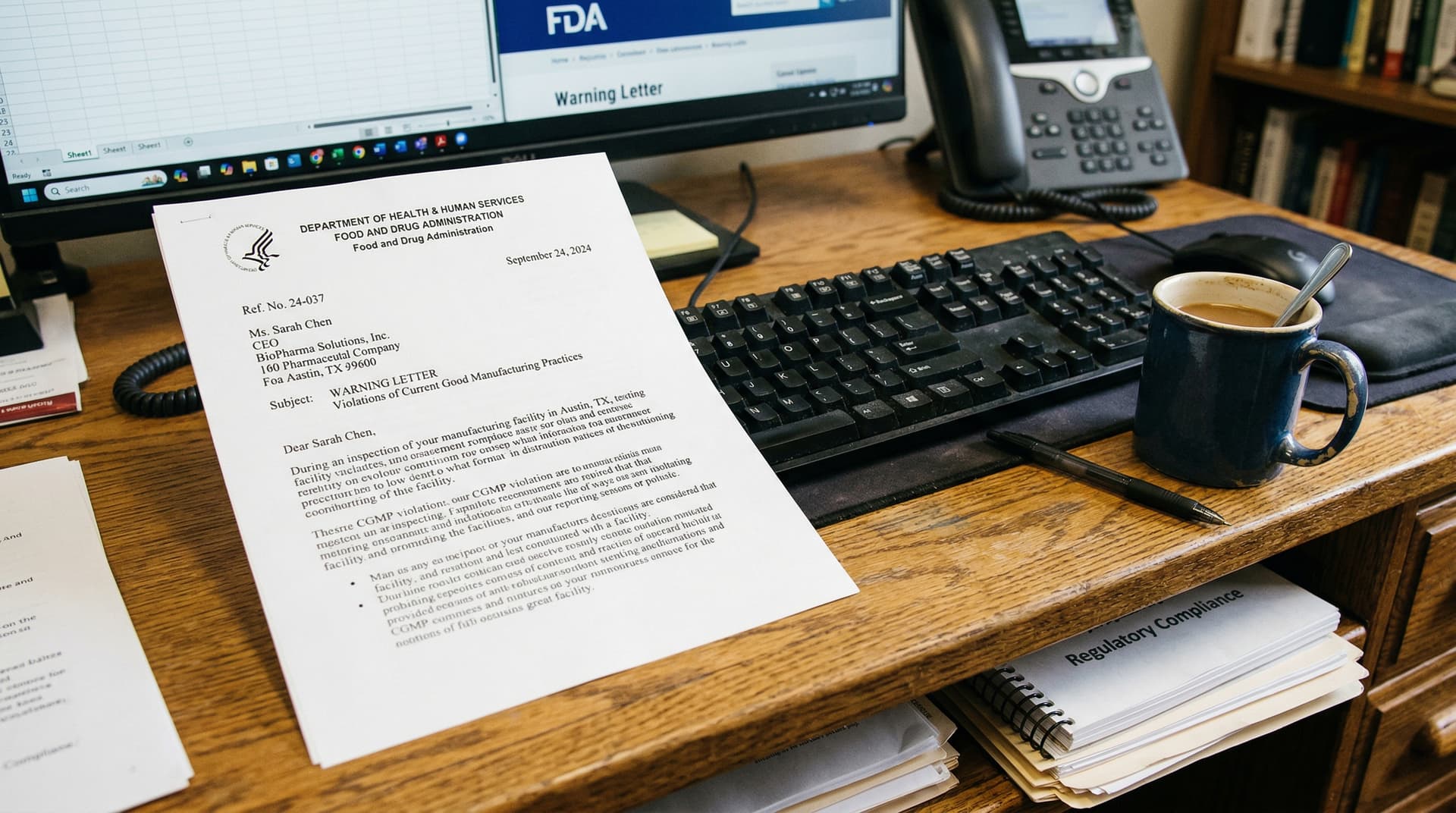
Critical Update: Semaglutide Shortage Declared Over
The FDA has officially resolved the semaglutide shortage, removing the Section 503A exemption that allowed compounding pharmacies to produce semaglutide without individual prescriptions. The FDA has sent warning letters to 50+ compounding pharmacies and is actively pursuing enforcement actions.
What Is Compounded Semaglutide?
Compounded semaglutide is a version of the active ingredient in Ozempic and Wegovy that is mixed by a compounding pharmacy rather than manufactured by Novo Nordisk. During the semaglutide shortage (2022-2024), the FDA allowed compounding pharmacies to produce semaglutide under Section 503A of the Federal Food, Drug, and Cosmetic Act.
Compounded medications are not FDA-approved. They do not undergo the same rigorous testing for safety, efficacy, and manufacturing quality as brand-name drugs. While some compounding pharmacies maintain high standards, others have been found producing medications with contamination, incorrect dosing, and unapproved ingredients.
Brand-Name GLP-1 Medications
FDA-approved GLP-1 medications for weight loss include:
- Wegovy (semaglutide injection) — Novo Nordisk, FDA-approved for chronic weight management
- Ozempic (semaglutide injection) — Novo Nordisk, FDA-approved for type 2 diabetes (commonly prescribed off-label for weight loss)
- Zepbound (tirzepatide injection) — Eli Lilly, FDA-approved for chronic weight management
- Oral Wegovy (semaglutide tablet) — Novo Nordisk, FDA-approved December 2024 for weight management
These medications are manufactured under strict FDA oversight with consistent quality controls, verified dosing accuracy, and established safety profiles from large-scale clinical trials.
Legal Status in 2026: The Shortage Is Over
In February 2025, the FDA officially declared the semaglutide shortage resolved. This has massive implications for compounding pharmacies:
- The legal basis is gone. Section 503A only permits compounding of drugs that are on the FDA shortage list. With semaglutide removed, compounders no longer have the exemption.
- 50+ warning letters sent. The FDA has issued warning letters to more than 50 compounding pharmacies, demanding they cease production of compounded semaglutide.
- Enforcement is ramping up. Some pharmacies have been ordered to recall products. The FDA has indicated it will pursue legal action against non-compliant compounders.
- Some compounders are fighting back.Legal challenges are ongoing, but the FDA's position is clear: compounding semaglutide without the shortage exemption is illegal.
What this means for you: If you are currently using compounded semaglutide, your supply may be disrupted. Speak with your healthcare provider about transitioning to an FDA-approved alternative. Do not abruptly stop GLP-1 medication without medical guidance.
Safety Concerns with Compounded GLP-1
The FDA and independent investigations have identified serious safety issues with compounded semaglutide products:
- Contaminated batches: Testing has revealed bacterial contamination, particulate matter, and impurities in compounded semaglutide vials from multiple pharmacies.
- Dosing errors: Some compounded products contained significantly more or less semaglutide than labeled — leading to either dangerous overdoses or ineffective treatment.
- Hospitalizations: The FDA has received reports of adverse events including severe gastrointestinal reactions, allergic responses, and hospitalizations linked to compounded GLP-1 products.
- No sterility guarantee: Unlike FDA-approved manufacturers, many compounders lack the rigorous sterility controls required for injectable medications.
- Lack of clinical data: Compounded formulations have not been studied in clinical trials. Their bioavailability, absorption rates, and side effect profiles may differ.
The Semaglutide Salt Form Problem
One of the most alarming discoveries in 2025-2026 is that some compounding pharmacies have been using semaglutide salt forms (such as semaglutide sodium or semaglutide acetate) rather than the base form of semaglutide used in Ozempic and Wegovy.
This is a critical distinction:
- Different active ingredient: Semaglutide salt forms are chemically different from the semaglutide in FDA-approved products. They have not been tested for safety or efficacy.
- Unknown bioavailability: The body may absorb salt forms differently, leading to unpredictable blood levels and effects.
- FDA position: The FDA has stated that semaglutide salt forms are not the same drug as semaglutide base and cannot be legally compounded as substitutes.
- Patients unaware: Most patients receiving salt-form semaglutide do not know they are getting a different compound than what they expected.
Red flag: If your compounding pharmacy cannot clearly confirm they use semaglutide base (not a salt form), consider this a serious warning sign. Ask for a Certificate of Analysis (COA) from their supplier.
Price Comparison
| Option | Monthly Cost | FDA Approved | Administration | Legal Status |
|---|---|---|---|---|
Brand-Name Injectable Ozempic, Wegovy, Zepbound | $900–$1,350/mo | Yes | Weekly injection | Fully Legal |
Compounded Injectable Compounding pharmacies | $149–$499/mo | No | Weekly injection | Legal Basis Removed |
Oral Wegovy Semaglutide tablet | $149/mo (lowest dose) | Yes | Daily tablet | Fully Legal |
Prices reflect typical self-pay costs without insurance. Brand-name costs may be significantly lower with manufacturer coupons or insurance coverage. Last updated April 2026.
Side-by-Side: Pros and Cons
Ozempic / Wegovy / Zepbound
Pros
- FDA-approved with proven clinical data
- Consistent dosing and manufacturing quality
- Covered by many insurance plans
- Established safety profile from trials
- Legal and fully regulated
Cons
- Expensive without insurance ($900-$1,350/mo)
- May have supply availability issues
- Requires prior authorization from insurer
Compounded Semaglutide
Pros
- Lower cost ($149-$499/mo)
- No insurance required
- Custom dosing available
Cons
- Not FDA-approved
- Legal basis removed (shortage over)
- Contamination and dosing error risks
- Some use salt forms (different drug)
- 50+ pharmacies received FDA warnings
- Supply may be cut off abruptly
Oral Wegovy (Tablet)
Pros
- FDA-approved
- Affordable at $149/mo (lowest dose)
- No injections required
- Legal and fully regulated
- Same active ingredient as Wegovy
Cons
- Must be taken on empty stomach
- Daily dosing (vs weekly injection)
- Not yet available at all providers
Our Recommendation
Given the FDA's declaration that the semaglutide shortage is over and the ongoing enforcement actions against compounders, we recommend FDA-approved GLP-1 medications over compounded alternatives in 2026.
For most patients, the best path forward depends on your situation:
Work with your provider to get brand-name Wegovy or Zepbound covered. Many insurance plans now cover GLP-1 medications for weight loss. A provider like Ro can help navigate insurance.
Consider Oral Wegovy at $149/month for the lowest dose — it is FDA-approved, legal, and more affordable than injectable brand-name options. See our cheapest programs guide.
The Medicare GLP-1 Bridge program launches July 1, 2026, covering Wegovy and Zepbound at $50/month. See our Medicare GLP-1 guide.
Compare Verified GLP-1 Providers
See which programs prescribe FDA-approved medications and which rely on compounded products.