

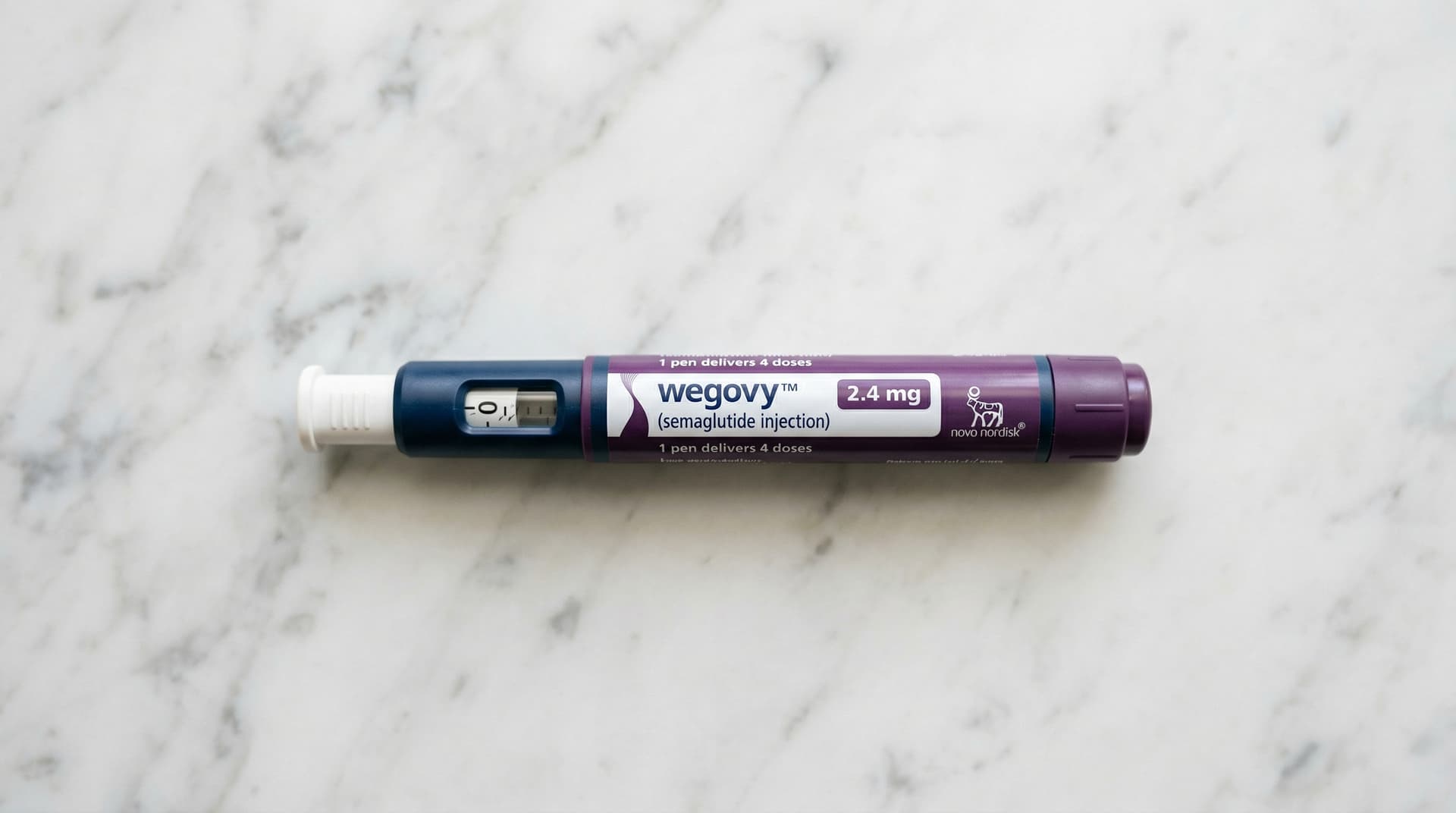
When Novo Nordisk launched oral Wegovy (oral semaglutide 25 mg) in late December 2025, it promised to eliminate the biggest barrier to GLP-1 adoption: the weekly injection. Three months later, we have enough real-world patient data to evaluate whether the pill lives up to the hype.
What Oral Wegovy Actually Is
Oral Wegovy uses the same active ingredient as injectable Wegovy — semaglutide — but delivers it through a daily pill rather than a weekly subcutaneous injection. The formulation uses an absorption enhancer called SNAC (sodium N-[8-(2-hydroxybenzoyl) amino] caprylate) to help semaglutide survive stomach acid and cross the gastric lining into the bloodstream.
The dosing is different from the injection. Oral Wegovy starts at 1.5 mg daily, titrates to 4 mg, then 9 mg, and reaches the 25 mg maintenance dose in stepped increases over the first few months.
What Patients Are Reporting at 3 Months
Based on patient forums, clinical follow-up data, and reports from prescribing physicians, here is what we are seeing:
Weight loss is comparable but slightly slower. Phase 3 trial data (OASIS 4) showed the 25 mg oral dose produced 13.6% body weight loss at 64 weeks (16.6% among participants who stayed on treatment), compared to 14.9% at 68 weeks for the 2.4 mg injectable in STEP 1. At the 3-month mark, most patients report 5-8% body weight loss, which is consistent with the titration phase. The real weight loss acceleration happens after reaching the 25 mg maintenance dose.
Appetite suppression kicks in around week 4-6. Patients consistently report that the "food noise" reduction — the hallmark GLP-1 experience — begins during the 7mg or 14mg titration phases. This is slightly later than with the injectable, where many patients feel it within the first week or two.
GI side effects are real but manageable. Nausea remains the most common side effect, reported by roughly 40% of patients in the first month. However, the severity appears to be milder than with the injectable for most patients. The key factor is compliance with the fasting requirement — the pill must be taken on an empty stomach with no more than 4 ounces of plain water, and patients must wait at least 30 minutes before eating or drinking anything else.
The daily routine is the biggest adjustment. Multiple patients describe the fasting window as more disruptive than expected. Unlike a once-weekly injection that takes 30 seconds, the oral formulation requires daily discipline: wake up, take the pill with a small sip of water, wait 30 minutes, then eat. For people with irregular schedules or who take morning medications with food, this requires real behavioral change.
Compliance Concerns
Early data suggests the daily dosing requirement is leading to lower adherence rates compared to the weekly injection. One large pharmacy benefit manager reported a 78% refill rate for oral Wegovy at 90 days, compared to 85% for injectable Wegovy over the same period. While this gap may narrow as patients settle into routines, it is worth monitoring.
Who Is It Best For?
Oral Wegovy is ideal for patients who have needle phobia or strong injection aversion, those who travel frequently and find injectable storage inconvenient, and patients who prefer a daily routine over a weekly one. It is less ideal for patients who already struggle with medication adherence or who have morning routines that conflict with the fasting requirement.
Pricing and Access
Oral Wegovy carries a list price of $1,200 per month — slightly less than the injectable at $1,350. Insurance coverage patterns are similar, with most major commercial plans covering both formulations. The upcoming Medicare Bridge program will cover the oral version at the same $50/month copay as the injectable.
Our Assessment
Oral Wegovy is a legitimate and effective alternative to the injection, not a replacement for it. The weight loss efficacy is clinically meaningful, the side effect profile is acceptable, and the elimination of needles will bring GLP-1 therapy to millions of patients who previously refused injections. However, the daily fasting requirement is a real trade-off, and patients should go in with realistic expectations about the adjustment period.