

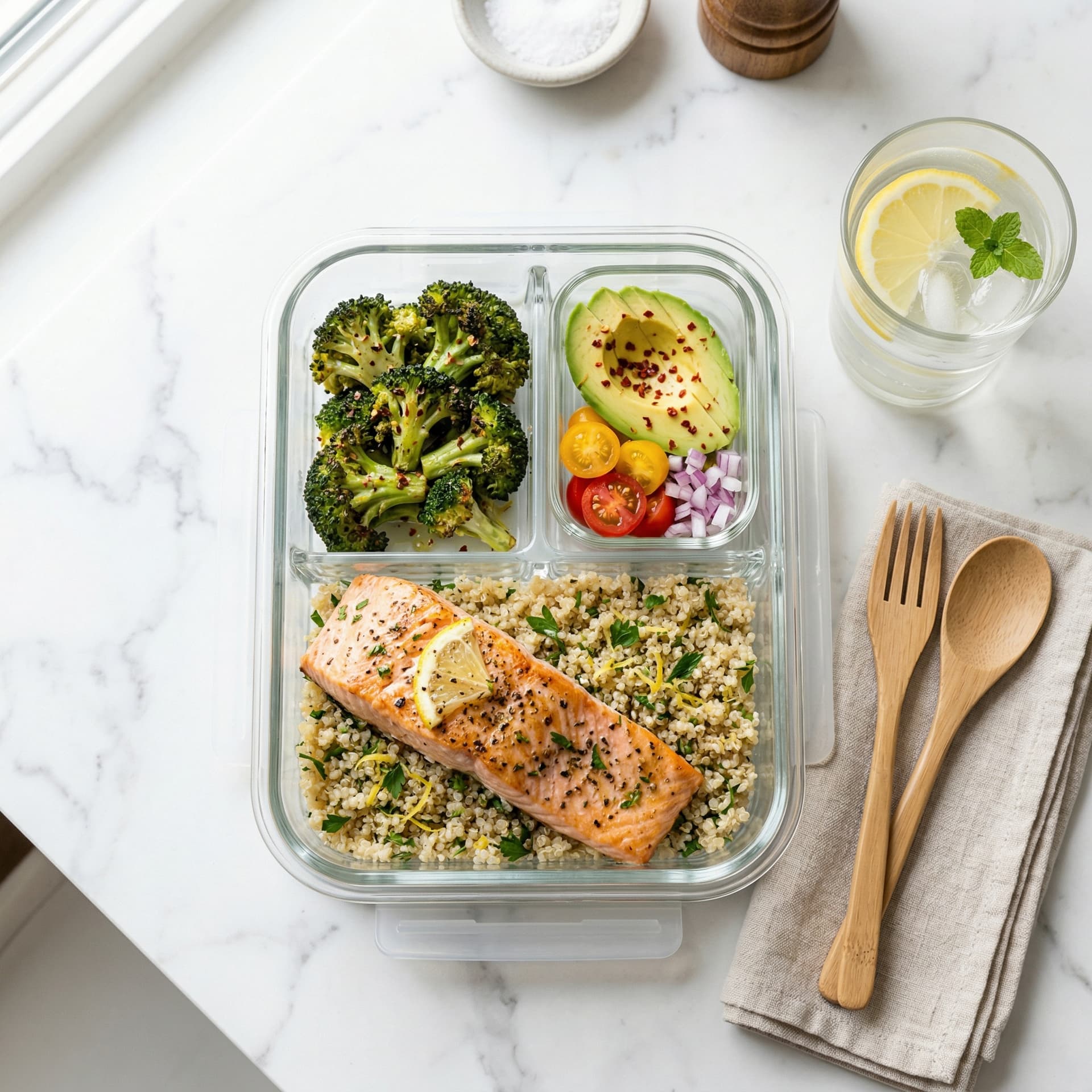
Sulfur burps on a GLP-1 — those rotten-egg-smelling burps — happen because the medication slows how fast your stomach empties, so food sits longer and gut bacteria break sulfur-containing proteins down into hydrogen sulfide gas. They're usually harmless and tend to ease as your body adjusts, and you can cut them down a lot with smaller, lower-sulfur meals. But sulfur burps paired with relentless vomiting, severe belly pain, or signs of dehydration are a reason to call your prescriber.
Important: this is general information, not medical advice. Sulfur burps are a common GLP-1 side effect, but they can occasionally signal something that needs attention. Talk to your prescriber about symptoms that are severe or won't settle, and read the red-flag section below.
Want a provider that can actually help you manage this? A lot of sulfur burps come down to titrating up too fast — a provider with real clinician messaging can slow your dose increases and coach you through the food changes instead of leaving you to suffer. See the best verified GLP-1 providers, or the lowest-cost option with included clinical support at Embody (from $69/mo).
What sulfur burps actually are
A sulfur burp is a burp that smells like rotten eggs. That smell is hydrogen sulfide, a gas your gut bacteria produce when they break down sulfur-containing compounds in food. Everyone makes a little; the problem on a GLP-1 is that you make more of it and it hangs around longer, so it comes back up as those unmistakable eggy burps — often followed by nausea, and sometimes a quick trip to the bathroom.
They're unpleasant but, on their own, not dangerous. They're one of the most common complaints in the first weeks of treatment and after each dose increase, and for most people they fade as the body adjusts.
Why GLP-1s cause sulfur burps
GLP-1 medications (semaglutide and tirzepatide, and the brand names Ozempic, Wegovy, Mounjaro, and Zepbound) work partly by slowing gastric emptying — food leaves your stomach more slowly, which keeps you full longer. That's the point of the drug, but it has a side effect: food, especially protein, sits in your stomach and upper gut longer than usual.
The longer that food sits, the more time gut bacteria have to ferment the sulfur-containing amino acids in it (cysteine and methionine, concentrated in protein). That fermentation produces hydrogen sulfide — the rotten-egg gas. Add in the higher-protein diets many people adopt on a GLP-1, and you have the perfect setup: more sulfur going in, and slower digestion giving bacteria more time to turn it into gas.
When sulfur burps tend to hit hardest
They cluster at predictable moments:
- The first week or two of a new dose. Your gut hasn't adapted to the slower emptying yet.
- Right after a dose increase. Every titration step up tends to bring a fresh wave — a strong hint that going up more slowly helps.
- After big, rich, or high-protein meals. A large steak dinner or a double protein shake gives bacteria the most fuel.
- Late in the day or overnight. Food eaten late sits through the night, so eggy burps and nausea are common the next morning.
If yours line up with dose increases, that's worth raising with your prescriber — a slower titration is often the single most effective fix.
How to stop sulfur burps on a GLP-1
Most people get real relief by changing how and what they eat, and reserving medication for the stubborn cases. Work down this list:
| Fix | Why it helps |
|---|---|
| Eat smaller meals | Less food sitting in a slow stomach means less to ferment |
| Cut back on high-sulfur foods | Fewer sulfur compounds in means less hydrogen sulfide out (see the list below) |
| Stay upright 2-3 hours after eating | Staying vertical helps your stomach empty and keeps gas down |
| Ease off very high-fat and fried meals | Fat slows emptying even further, compounding the drug's effect |
| Stay hydrated | Water keeps things moving through a sluggish gut |
| Slow down while eating | Eating fast swallows air and overloads a slow stomach |
| Try ginger or peppermint tea | Both are gentle, well-tolerated settlers for nausea and gas |
| Ask about OTC options | Simethicone for gas, or bismuth subsalicylate (Pepto-Bismol), which binds hydrogen sulfide — check with your pharmacist or prescriber first |
| Ask your prescriber about slowing titration | If they track with dose jumps, a smaller step up often stops them |
One note on Pepto-Bismol: it can genuinely help because bismuth binds hydrogen sulfide (and it may briefly darken your stool, which is harmless). But it's not meant for daily long-term use, so clear it with your prescriber or pharmacist rather than leaning on it every day.
Foods most likely to trigger sulfur burps
High-sulfur foods are the main dietary driver. You don't have to cut them out forever, but easing off during the worst weeks — and around dose increases — makes a real difference:
| Higher-sulfur (ease off) | Gentler swaps |
|---|---|
| Eggs | Oatmeal, Greek yogurt |
| Red meat, especially large portions | Smaller portions of fish or chicken |
| Garlic and onions | Herbs and milder seasonings |
| Cruciferous veg (broccoli, cabbage, cauliflower, Brussels sprouts) | Zucchini, carrots, green beans |
| Whey-protein shakes | Smaller shakes, or a plant/collagen protein |
| Dairy (milk, ice cream), if you're sensitive | Lactose-free options |
| Large amounts of beans and lentils | Smaller, well-cooked servings |
Whey-protein shakes deserve a special mention: they're a common culprit because they combine a big sulfur load with the higher-protein diet people adopt on a GLP-1. If your sulfur burps are worst after shakes, that's often the first thing to change.
Sulfur burps plus diarrhea: the pattern to know
A classic GLP-1 combination is sulfur burps followed within hours by watery diarrhea, sometimes with cramping and nausea. People sometimes call it the "sulfur burp flu." It happens because the same slowed, fermenting digestion that makes the gas can also dump into your lower gut. It's usually self-limited and eases within a day, but it can dehydrate you.
If this hits, prioritize fluids and electrolytes, stick to bland easy-to-digest food for a bit, and don't move your next dose earlier or later to "outrun" it — follow your provider's schedule. Which brings us to when this stops being a nuisance and becomes a reason to call someone.
When to call your prescriber
Sulfur burps themselves are usually harmless, but contact your prescriber (or seek urgent care) if they come with:
- Vomiting that won't stop, or that keeps you from holding down fluids. Dehydration is the real risk.
- Severe or worsening belly pain, especially upper-abdominal pain that bores through to your back — that needs to be evaluated to rule out pancreatitis.
- Signs of dehydration: dizziness, dark urine, a racing heart, barely urinating.
- Symptoms that don't settle after a few days, or that start long after you were stable on a dose rather than right after an increase.
- Persistent severe bloating and vomiting of old, undigested food, which can point to gastroparesis (a more pronounced slowing of the stomach) and needs a prescriber's assessment.
Do not stop or change a prescription GLP-1 on your own to deal with side effects — your prescriber can slow your titration, adjust your dose, or check for something else. That's their call to make.
Will sulfur burps go away?
For most people, yes. As your gut adapts to slower emptying, the burps ease over a few weeks, and they tend to flare only briefly after each dose increase before settling again. The two things that speed it up are the food changes above and a slower titration schedule — going up in smaller steps gives your digestion time to keep pace.
That second lever is where your provider matters. A program with responsive clinicians can space out your dose increases and troubleshoot side effects with you, instead of pushing a fixed schedule and going quiet. If yours won't message back or adjust your titration, that's a reason to compare others:
| Provider | Compounded semaglutide | Compounded tirzepatide | Side-effect support |
|---|---|---|---|
| Embody | from $69/mo | from $119/mo | 24/7 specialist messaging, flexible titration |
| Trimi | from $99/mo | from $99/mo | Clinician access; annual plan, $175 month-to-month |
| TrimRx | from $179/mo | from $259/mo | All-inclusive, unlimited provider messaging |
Prices are starting rates; confirm your dose and plan at checkout. The point isn't the sticker — it's that a provider who will slow your titration and answer your messages is worth more than a few dollars saved when you're the one dealing with the burps.
FAQ
Why do I get sulfur burps on Ozempic or semaglutide? Because the medication slows how fast your stomach empties, food — especially high-protein, high-sulfur food — sits longer and gut bacteria ferment it into hydrogen sulfide, the rotten-egg gas that comes back up as sulfur burps. They're most common in the first weeks and after each dose increase.
How do I get rid of sulfur burps fast? Eat a smaller, lower-sulfur meal, stay upright for a few hours, sip water or ginger/peppermint tea, and consider an OTC option like simethicone or bismuth subsalicylate (Pepto-Bismol, which binds the sulfur gas) after checking with your pharmacist. Cutting back on eggs, red meat, and whey shakes usually helps within a day or two.
Are sulfur burps on a GLP-1 dangerous? On their own, no — they're an unpleasant but harmless side effect for most people. They become a reason to call your prescriber when they come with relentless vomiting, severe belly pain, signs of dehydration, or vomiting of old food.
What foods cause sulfur burps? High-sulfur foods: eggs, red meat, garlic, onions, cruciferous vegetables (broccoli, cabbage, cauliflower), whey-protein shakes, and large amounts of dairy or beans. Easing off these, especially around dose increases, is the most effective food change.
Do sulfur burps mean my dose is too high or increasing too fast? Often, yes — they reliably flare after dose increases, which is a signal that a slower titration may help. Don't change your dose yourself, but tell your prescriber if the burps track with each step up; a smaller increase frequently solves it.
How long do GLP-1 sulfur burps last? Usually days to a couple of weeks as your gut adapts, with brief flares after each dose increase. If they're severe, don't settle, or start well after you were stable on a dose, check in with your prescriber.
The bottom line
Sulfur burps on a GLP-1 are common, usually harmless, and mostly about digestion slowing down: food sits longer, sulfur-rich protein ferments into rotten-egg gas, and it comes back up. You can cut them down a lot with smaller and lower-sulfur meals, staying upright after eating, hydration, and OTC helpers like simethicone or Pepto-Bismol — and if they track with your dose increases, ask your prescriber about going up more slowly. Save the worry for the red flags: unstoppable vomiting, severe pain, or dehydration deserve a call. And if your provider won't adjust your titration or answer your messages, compare the best verified providers that include real clinical support.