

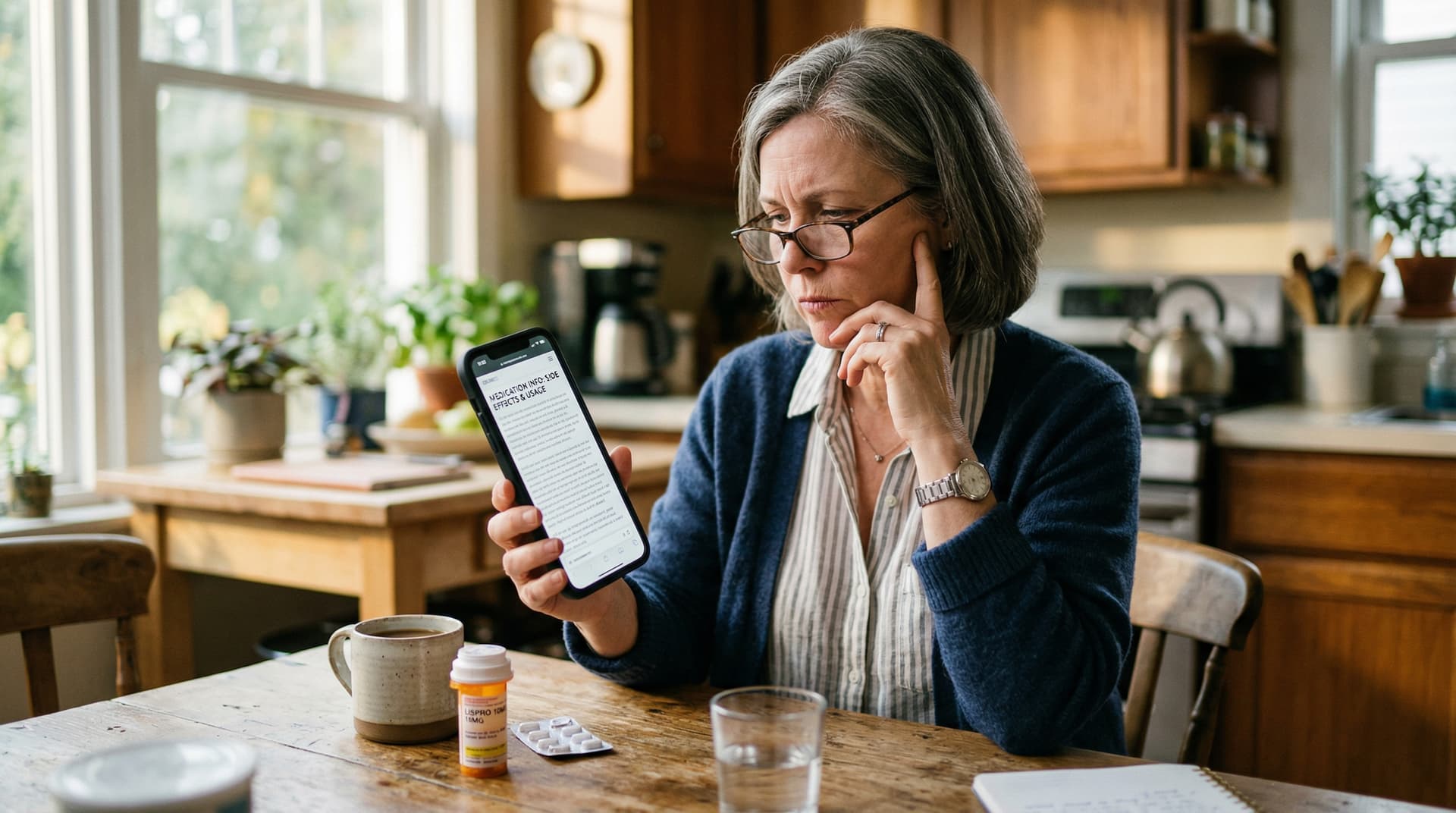
Yes — you can drink alcohol on Ozempic, Wegovy, Zepbound, Mounjaro, and compounded semaglutide or tirzepatide. There's no direct interaction between alcohol and GLP-1 medications, and the FDA labels don't warn against drinking. But "no interaction" isn't the whole story: alcohol can worsen your GI side effects, raise your risk of low blood sugar, and quietly undermine your weight-loss goal — and many people find they simply want to drink less on these drugs. Here's what's actually safe, what to watch for, and why your tolerance may feel different.
Important: this is general information, not medical advice. Talk to your prescriber about alcohol if you have diabetes, a history of pancreatitis, liver disease, or an alcohol use concern.
Can you drink alcohol on Ozempic and other GLP-1s?
Yes — there's no direct drug interaction between alcohol and semaglutide, tirzepatide, or the other GLP-1s, and their FDA labels carry no alcohol warning. In moderation, an occasional drink is generally considered fine for most people on a GLP-1 for weight loss. The cautions below are about how alcohol interacts with the *effects* of the medication and your goals — not a chemical clash between the two.
Is it safe to mix alcohol and GLP-1 medications?
It's generally safe in moderation, but three real caveats apply: alcohol can amplify GI side effects, increase the risk of low blood sugar, and work against your weight loss. None of these make alcohol off-limits — they just mean drink thoughtfully.
- Worse GI side effects. GLP-1s already slow your stomach and can cause nausea; alcohol is a stomach irritant, so drinking (especially on a rough GI day or just after a dose increase) can make nausea, reflux, or vomiting worse.
- Low blood sugar risk. Alcohol can lower blood sugar, and GLP-1s reduce how much you eat — the combination can tip some people into hypoglycemia. This matters most if you also take insulin or a sulfonylurea for diabetes.
- Empty calories. Alcohol is calorie-dense with little nutritional value, and it can loosen your eating restraint — both of which work against the weight loss you're on the medication for.
Does alcohol hit differently on a GLP-1?
Many people report feeling alcohol's effects faster or more strongly on a GLP-1, likely because the medication slows stomach emptying and they're often eating less. With less food in your system and a slower-emptying stomach, a given amount of alcohol can affect you more than it used to. The practical takeaway: assume your tolerance may be lower than before, eat something when you drink, and pace yourself until you know how it hits you.
Why do GLP-1s make you want to drink less?
A striking, well-documented effect: many people on GLP-1s lose interest in alcohol — and clinical research backs it up. A randomized controlled trial of semaglutide in people with alcohol use disorder found it reduced alcohol craving and how much they drank. GLP-1 receptors sit in brain regions involved in reward and craving, so the same mechanism that dials down food cravings appears to dial down alcohol cravings too. Semaglutide, tirzepatide, and newer agents have all shown this signal in studies. It's not an approved use, but it's one of the most talked-about "side benefits" of the drugs — many users simply find the desire to drink fades on its own.
Does drinking alcohol affect weight loss on a GLP-1?
Yes — alcohol can slow your progress. It adds empty calories, lowers your eating restraint, and can trigger next-day snacking. A GLP-1 does a lot of the heavy lifting, but alcohol is one of the easiest ways to blunt a calorie deficit. You don't have to quit entirely; just count it honestly and keep it occasional if weight loss is your priority.
Alcohol and blood sugar on GLP-1s: what to watch
If you take a GLP-1 alongside insulin or a sulfonylurea for diabetes, alcohol raises your risk of hypoglycemia — always eat when you drink and monitor your blood sugar. For people taking a GLP-1 purely for weight loss (without other glucose-lowering drugs), the hypoglycemia risk is lower, but eating alongside alcohol is still the safe habit. Know the signs of low blood sugar — shakiness, sweating, confusion, dizziness — and don't drink on an empty stomach.
How to drink safely on a GLP-1
Eat first, hydrate, pace yourself, and respect your lowered tolerance. A simple checklist:
- Eat a real meal before or while drinking — never drink on an empty stomach.
- Alternate alcohol with water to stay hydrated and slow your pace.
- Assume your tolerance is lower than it used to be; start with less.
- Skip alcohol on days you're already nauseated or just increased your dose.
- Avoid binge drinking — heavy alcohol strains the pancreas, and both alcohol and GLP-1s are relevant to pancreatitis risk.
- If you have diabetes, monitor your blood sugar and eat carbs with alcohol.
Frequently asked questions
Can you drink alcohol on Ozempic or Wegovy? Yes — there's no direct interaction and no label warning. Drink in moderation, eat first, and expect a lower tolerance.
Can you drink alcohol on Zepbound or Mounjaro? Same answer — tirzepatide has no direct alcohol interaction. The caveats (GI side effects, blood sugar, calories) apply equally.
Does alcohol stop Ozempic from working? No — alcohol doesn't block the medication. But its calories and effect on appetite control can slow your weight loss.
Why don't I want to drink on Ozempic? GLP-1s act on the brain's reward and craving pathways, which appears to reduce the desire for alcohol — an effect confirmed in clinical trials for alcohol use disorder.
Can alcohol cause low blood sugar on a GLP-1? It can, especially if you also take insulin or a sulfonylurea, or drink without eating. Eat when you drink and monitor your levels.
Bottom line
You can drink on a GLP-1 — there's no chemical interaction and no label warning — but do it thoughtfully: eat first, expect a lower tolerance, watch your blood sugar if you're diabetic, and remember that alcohol's calories can slow your weight loss. Many people find they naturally want to drink less on these medications anyway, which the research supports.
If you're just starting a GLP-1 or comparing programs, see our best GLP-1 providers list for verified options with clinician support — the kind of provider you can ask these questions.