GLP-1 and Exercise: Why Working Out Matters More on Ozempic
Up to 40% of the weight you lose on GLP-1 medications may be muscle, not fat. Exercise — especially strength training — is not optional on these drugs. It is essential for preserving muscle mass, maintaining metabolic health, and ensuring the weight you lose stays off. Here is exactly what to do.


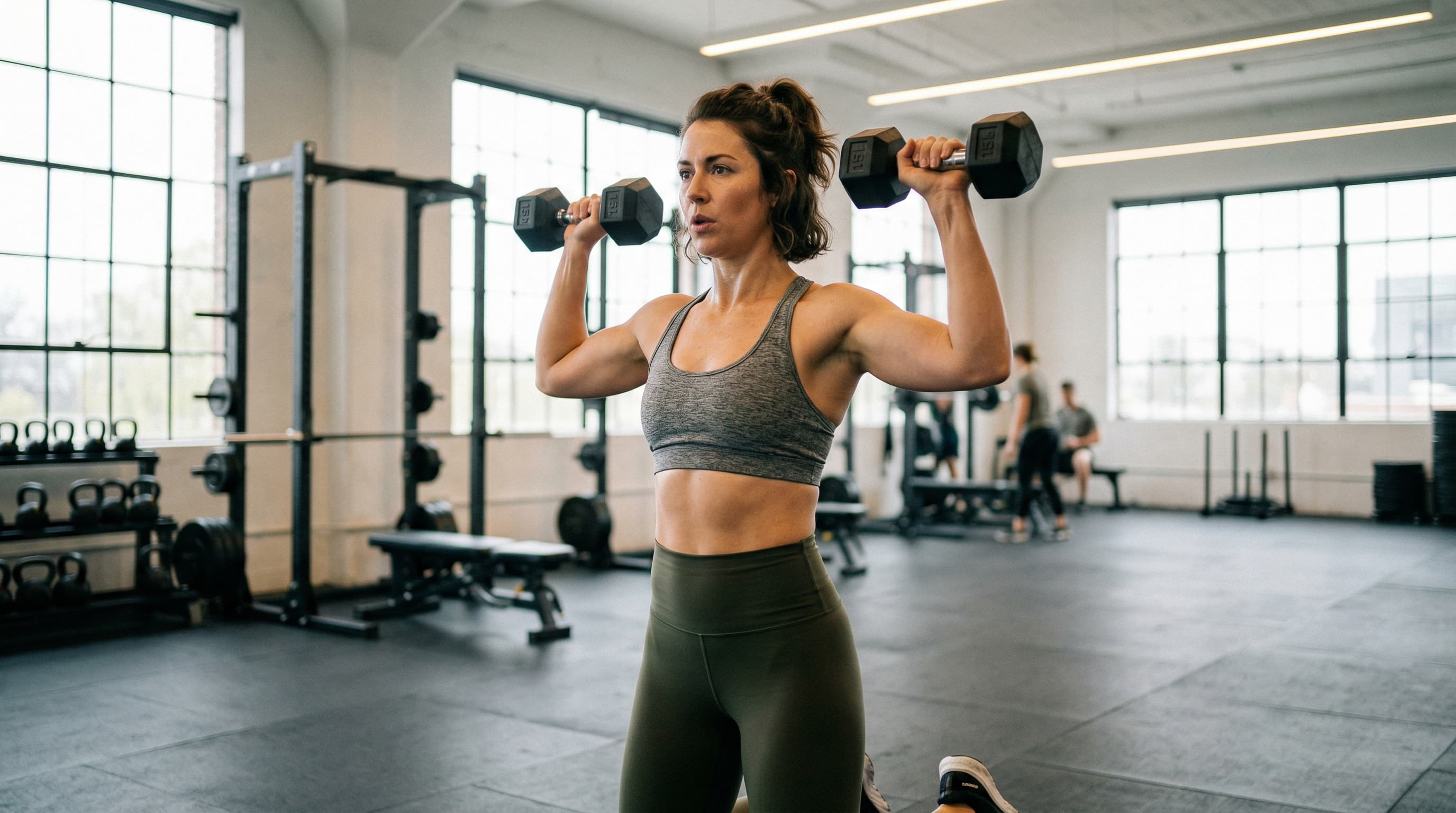
The Muscle Loss Problem
A 2024 DEXA scan study of semaglutide users found that without exercise intervention, approximately 39% of total weight lost was lean body mass (muscle and bone). Patients who incorporated resistance training reduced muscle loss by more than half. This is why leading obesity medicine specialists now consider exercise a mandatory component of GLP-1 therapy — not an optional add-on.
Why Exercise Matters More on GLP-1s
Exercise has always been important for health, but GLP-1 medications create a unique situation where it becomes genuinely critical. Here is why.
Rapid Weight Loss Means Rapid Muscle Loss
Body CompositionGLP-1 medications produce dramatic calorie deficits — many patients eat 500-1,000 fewer calories per day without trying. When weight loss happens this quickly, the body cannot exclusively target fat stores. It breaks down muscle protein for energy and amino acids. Without the stimulus of resistance training telling the body 'I need this muscle,' the body has no reason to preserve it. The result: you lose weight on the scale but end up with a worse fat-to-muscle ratio than before.
Muscle Loss Tanks Your Metabolism
Metabolic HealthMuscle is metabolically active tissue — it burns calories even at rest. Every pound of muscle lost reduces your basal metabolic rate by approximately 6-10 calories per day. Lose 15 pounds of muscle (not uncommon on GLP-1s without exercise), and your metabolism is 90-150 calories per day lower. This metabolic slowdown is a major driver of weight regain after stopping GLP-1 medications. Patients who preserve muscle through exercise have a significantly easier time maintaining their weight loss long-term.
Bone Density Declines with Rapid Weight Loss
Skeletal HealthYour bones adapt to the mechanical load placed on them. When you lose significant weight quickly, the reduced load on your skeleton accelerates bone density loss. Weight-bearing exercise — both resistance training and activities like walking and jogging — provides the mechanical stimulus bones need to maintain density. This is especially important for postmenopausal women and older adults who are already at risk for osteoporosis.
Exercise Amplifies GLP-1 Cardiovascular Benefits
Heart HealthThe SELECT trial showed semaglutide reduces major cardiovascular events by 20%. Exercise independently reduces cardiovascular risk through improved lipid profiles, lower blood pressure, better insulin sensitivity, and reduced inflammation. Combined, the cardiovascular benefits of GLP-1 therapy plus exercise exceed what either achieves alone. Regular exercisers on GLP-1s see larger improvements in HDL cholesterol and blood pressure than sedentary patients.
Recommended Weekly Exercise Plan
Based on consensus recommendations from obesity medicine specialists for patients on GLP-1 therapy.
Strength Training
- Squats or leg press — 3 sets x 8-12 reps
- Push-ups or bench press — 3 sets x 8-12 reps
- Rows (dumbbell, cable, or band) — 3 sets x 8-12 reps
- Lunges or step-ups — 3 sets x 10 each leg
- Overhead press — 3 sets x 8-12 reps
- Plank — 3 sets x 30-60 seconds
Start light. Focus on form over weight. Increase weight when you can complete all reps with good form.
Cardio & Recovery
- 30-45 min brisk walking, cycling, or swimming
- Post-meal 10-15 minute walks (helps with GI side effects)
- Optional: yoga or stretching for flexibility
- Light movement throughout the day (10,000 step goal)
Moderate intensity — you should be able to hold a conversation. Walking is the most sustainable option for most patients.
Active Recovery
- Light walk or gentle yoga
- Foam rolling or stretching
- Rest if your body needs it
Recovery is when muscle repair and growth happens. Do not skip rest days.
Protein Targets Alongside Exercise
Exercise without adequate protein is like building a house without bricks. Your muscles need amino acids to repair and grow. On GLP-1 medications, hitting your protein target is harder because appetite is suppressed — but it is more important than ever.
Minimum target for GLP-1 patients exercising regularly
Distribute protein evenly across meals for optimal absorption
Eat protein before carbs and fats at every meal
High-Protein Foods That Work Well on GLP-1s
Greek Yogurt (0%)
17g per cup
Chicken Breast
31g per 4oz
Eggs
6g each
Whey Protein Shake
25-30g per scoop
Cottage Cheese
14g per 1/2 cup
Salmon
25g per 4oz
Bone Broth
10g per cup
Edamame
17g per cup
Tip: When appetite is very low (common in the first weeks), liquid protein sources — shakes, bone broth, yogurt drinks — are often easier to consume than solid food. A whey protein shake with Greek yogurt blended in can deliver 40-50g of protein in a form that most patients tolerate well even during nausea.
How Exercise Improves GLP-1 Outcomes
Beyond preventing muscle loss, exercise enhances virtually every benefit of GLP-1 therapy.
Reduced Weight Regain
The biggest fear with GLP-1 therapy is regaining weight after stopping. Patients who build and maintain muscle mass through exercise have higher metabolic rates, making weight maintenance significantly easier. Studies of post-GLP-1 patients show that those who exercised during treatment regain 30-40% less weight in the year after stopping.
Better Body Composition
Two patients can lose the same 50 pounds. The one who exercises will have more muscle, less loose skin, better posture, and a healthier metabolic profile. The non-exerciser may be lighter but 'skinny fat' — lower weight with a higher body fat percentage and lower muscle mass than before starting GLP-1 therapy.
Improved Mental Health
Exercise is a natural antidepressant and anxiolytic. GLP-1 patients who exercise regularly report higher energy levels, better sleep, improved mood, and less of the 'emotional blunting' that some patients experience. The endorphin release from exercise counterbalances any mood effects of the medication.
Preserved Bone Density
Weight-bearing exercise provides the mechanical stimulus that bones need to maintain density. Without exercise, rapid weight loss from GLP-1s can accelerate bone density decline, especially at the hip and spine. Resistance training and impact activities (walking, jogging, stair climbing) are the most effective for bone preservation.
The Science of Muscle Preservation During GLP-1 Therapy
The relationship between GLP-1 medications and muscle loss is one of the most important clinical conversations in obesity medicine today. A landmark 2024 study published in the Journal of Clinical Endocrinology & Metabolism used DEXA scans to track body composition in semaglutide users over 68 weeks. The results were striking: participants lost an average of 15.2% of total body weight, but approximately 39% of that loss was lean body mass rather than fat.
However, a subset of participants who engaged in structured resistance training at least twice weekly showed dramatically different results. Their lean mass loss was reduced to approximately 15-20% of total weight lost — meaning they lost proportionally twice as much fat relative to muscle compared to the sedentary group. The exercising group also showed superior improvements in insulin sensitivity, resting metabolic rate, and physical function scores.
Tirzepatide vs. Semaglutide: Does the Drug Matter?
Emerging data suggests that tirzepatide (Mounjaro/Zepbound) may preserve slightly more lean mass than semaglutide (Ozempic/Wegovy) during weight loss, likely due to its dual GIP/GLP-1 mechanism. The GIP receptor activation appears to have modest anabolic effects on muscle tissue. However, the difference is relatively small, and exercise remains the most powerful lever for muscle preservation regardless of which GLP-1 medication you take. Neither drug eliminates the need for resistance training.
Beyond the Scale: Why Body Composition Matters More Than Weight
The scale cannot distinguish between fat loss and muscle loss. Two patients who each lose 50 pounds will have very different health outcomes depending on what they lost. The patient who preserves muscle through exercise will have a higher metabolic rate, better blood sugar control, stronger bones, better physical function, and a dramatically lower risk of weight regain. This is why obesity medicine specialists increasingly focus on body composition metrics (DEXA scans, bioimpedance analysis) rather than scale weight alone when monitoring GLP-1 patients.
Frequently Asked Questions
Why do I lose muscle on GLP-1 medications?
When you lose weight rapidly — regardless of the method — your body breaks down both fat and muscle for energy. GLP-1 medications cause significant calorie reduction (often 500-1,000 fewer calories per day), and without adequate protein and resistance training, the body catabolizes muscle tissue for amino acids. Studies show that up to 25-40% of weight lost on GLP-1s can be lean mass. This is not unique to GLP-1s — any rapid weight loss causes muscle loss — but the magnitude of weight loss these drugs produce makes the issue more pronounced.
How much protein should I eat on a GLP-1 medication?
Aim for 1.2-1.6 grams of protein per kilogram of body weight per day. For a 200-pound (91kg) person, that is 109-146 grams of protein daily. Some clinicians recommend even higher intakes (up to 1g per pound of ideal body weight) for patients doing regular resistance training. Prioritize protein at every meal and snack. Good sources include chicken breast, fish, eggs, Greek yogurt, cottage cheese, and whey protein shakes. If nausea makes eating difficult, liquid protein sources (shakes, bone broth) are often better tolerated.
Can I exercise if I feel nauseous from my GLP-1 medication?
Yes, but modify your approach. Light to moderate exercise — especially walking — can actually help with nausea by promoting gastric motility. Avoid high-intensity or inversion-based exercises (burpees, downward dog) during peak nausea. Exercise 2-3 hours after eating, not immediately after. If nausea is severe, do what you can — even a 10-minute walk counts. The nausea typically improves within 4-8 weeks, and you can gradually increase intensity.
What is the best type of exercise while taking a GLP-1?
Resistance training (strength training) is the single most important type of exercise for GLP-1 users because it prevents muscle loss. Aim for 2-3 sessions per week targeting all major muscle groups. Complement with 150+ minutes of moderate cardio (walking, cycling, swimming) per week. Yoga and stretching support flexibility and recovery. If you must choose only one type of exercise, choose resistance training — it has the biggest impact on body composition during GLP-1-mediated weight loss.
Should I take creatine while on a GLP-1 medication?
Many clinicians now recommend creatine monohydrate (3-5g daily) for GLP-1 patients doing resistance training. Creatine is one of the most well-studied supplements in sports science, with strong evidence for preserving muscle mass and improving strength. It is safe, inexpensive, and has no known interactions with GLP-1 medications. Discuss with your prescriber, especially if you have kidney disease.
How does exercise improve GLP-1 medication outcomes?
Exercise improves GLP-1 outcomes in multiple ways: (1) preserves muscle mass, keeping metabolic rate higher, (2) reduces the risk of weight regain after stopping the medication, (3) improves body composition (fat-to-muscle ratio) beyond what the scale shows, (4) enhances cardiovascular benefits already provided by GLP-1s, (5) improves bone density, countering the bone loss risk from rapid weight loss, and (6) boosts mood and energy, reducing the fatigue some patients experience.
Will exercise make me lose weight faster on GLP-1?
Surprisingly, adding exercise does not dramatically increase the rate of weight loss on GLP-1 medications. Clinical studies show only modest additional scale weight loss with exercise. However, exercise dramatically improves the quality of weight loss — more fat loss, less muscle loss, better body composition. Think of it this way: the scale may not move much faster, but you will look and feel significantly better than patients who lose the same weight without exercising.
I have never lifted weights. Where do I start?
Start simple: bodyweight exercises require no equipment and are effective for beginners. Begin with squats, push-ups (wall or knee push-ups if needed), lunges, and rows using a resistance band. Do 2-3 sets of 8-12 repetitions, 2-3 times per week. Focus on form over weight. Many patients find that working with a personal trainer for even 2-3 sessions provides enough foundation to continue independently. YouTube channels like Jeff Nippard and Mind Pump also offer excellent beginner guidance.
Get Started With the Right Provider
The best GLP-1 providers include exercise and nutrition guidance as part of their treatment plans — not just a prescription.
Medical Disclaimer: This guide is for informational purposes only and does not constitute medical or fitness advice. Consult your healthcare provider before starting any exercise program, especially if you have cardiovascular disease, joint problems, or other medical conditions. Individual exercise needs vary based on age, fitness level, and health status.