Mounjaro vs Ozempic: Full Comparison & Verdict (2026)
Ozempic and Mounjaro are both GLP-1-based injectable medications, but they work differently. Ozempic targets the GLP-1 receptor alone, while Mounjaro is a dual-agonist that targets both GLP-1 and GIP receptors. This fundamental difference leads to meaningfully different results.


The Bottom Line
Mounjaro (tirzepatide) produces greater average weight loss than Ozempic (semaglutide)— 15-22% vs 8-14% of body weight in clinical trials. Mounjaro's dual GLP-1/GIP mechanism appears to be more effective for both weight loss and blood sugar control. Both are FDA-approved for type 2 diabetes. Pricing is similar without insurance: Ozempic ~$998/mo vs Mounjaro ~$1,023/mo. The choice often comes down to insurance coverage and individual response.
Cost: The Affordable Route to Each (Updated September 21, 2026)
Brand list prices are close and high — Ozempic ~$998/mo and Mounjaro ~$1,023/mo without insurance. The affordable route to each is compounded telehealth with the same active molecule: Ozempic's drug is semaglutide (cheapest compounded $69/mo) and Mounjaro's is tirzepatide (cheapest compounded $119/mo) across our 42 tracked providers — tracked weekly in our GLP-1 Price Index. In weight-loss trials those molecules delivered ~15% (semaglutide, STEP-1) and ~21% (tirzepatide, SURMOUNT-1) average body-weight loss (New England Journal of Medicine).
How They Work: Single vs Dual Agonist
The most important difference between Ozempic and Mounjaro is their mechanism of action. Understanding this helps explain why clinical outcomes differ.
Ozempic (semaglutide)is a GLP-1 receptor agonist. It mimics the GLP-1 hormone, which your body produces after eating. GLP-1 slows gastric emptying (so you feel full longer), reduces appetite by acting on the brain's hunger centers, and stimulates insulin release while suppressing glucagon to lower blood sugar.
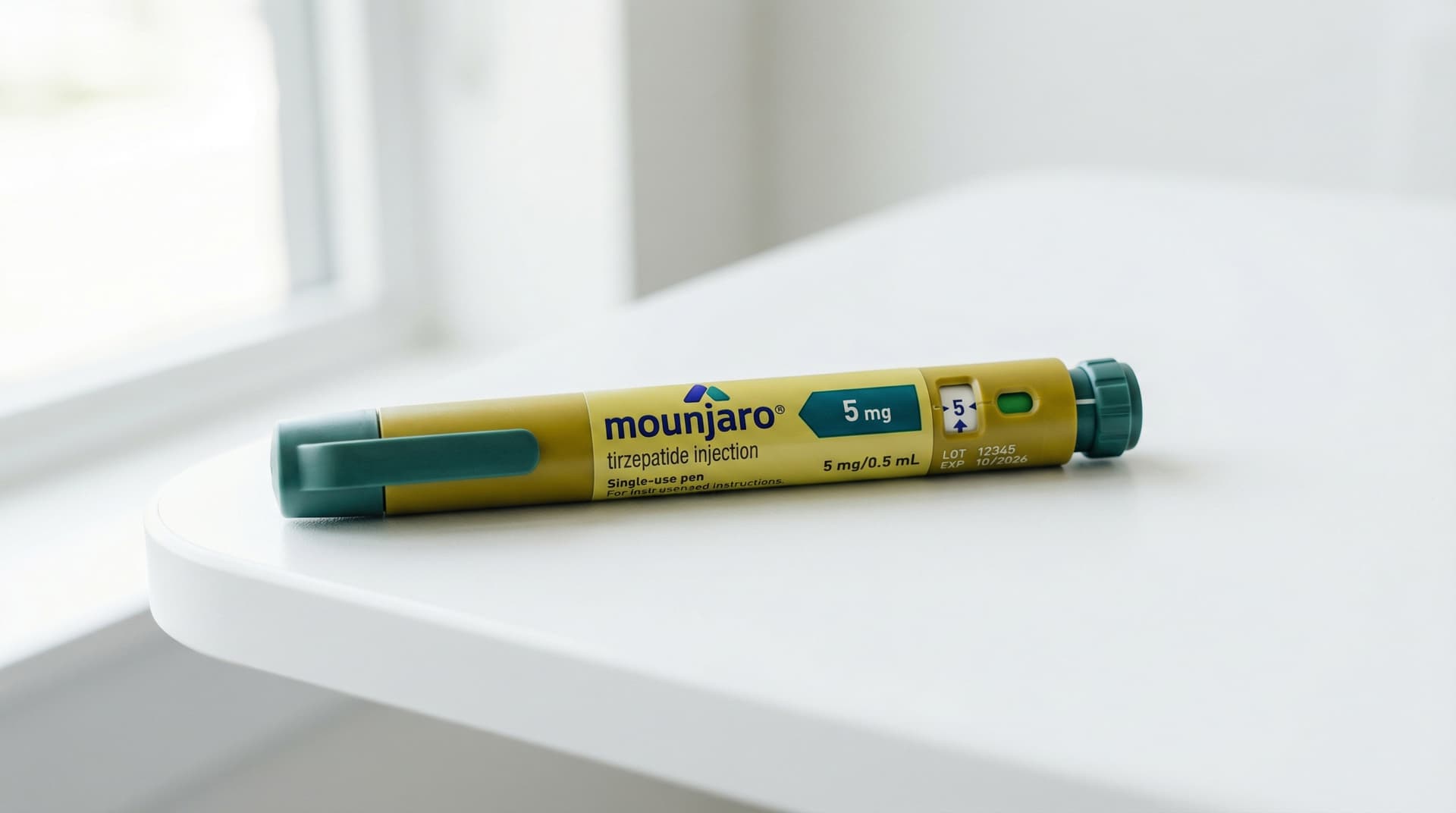
Mounjaro (tirzepatide) is a dual GIP/GLP-1 receptor agonist — the first in its class. In addition to all the GLP-1 effects above, it also activates the GIP (glucose-dependent insulinotropic polypeptide) receptor. GIP enhances insulin secretion, improves fat metabolism, and may have additional effects on appetite regulation and energy expenditure that complement GLP-1 activity.
Think of it this way: Ozempic pulls one lever to reduce appetite and improve metabolism. Mounjaro pulls two levers simultaneously. This dual mechanism appears to produce a synergistic effect — the combined GLP-1 and GIP activation is greater than what either hormone achieves alone.
GLP-1 receptor agonist (single)
- Slows gastric emptying
- Reduces appetite centrally
- Stimulates insulin release
- Suppresses glucagon secretion
Dual GLP-1/GIP receptor agonist
- All GLP-1 effects (same as Ozempic)
- Enhanced insulin secretion via GIP
- Improved fat metabolism
- Additional appetite and energy regulation
Side-by-Side Comparison
| Feature | Ozempic | Mounjaro |
|---|---|---|
| Active Ingredient | Semaglutide | Tirzepatide |
| Drug Class | GLP-1 receptor agonist | Dual GLP-1/GIP receptor agonist |
| Manufacturer | Novo Nordisk | Eli Lilly |
| FDA-Approved For | Type 2 diabetes | Type 2 diabetes |
| FDA Approval Date | December 2017 | May 2022 |
| Dose Range | 0.25, 0.5, 1.0, 2.0 mg | 2.5, 5, 7.5, 10, 12.5, 15 mg |
| Average Weight Loss | 8-14% | 15-22% |
| A1C Reduction | 1.0-1.8% | 1.9-2.4% |
| Administration | Weekly injection (pen) | Weekly injection (pen) |
| Monthly Cost (no insurance) | ~$998 | ~$1,023 |
| Weight Loss Version | Wegovy (semaglutide 2.4mg) | Zepbound (tirzepatide) |
| Cardiovascular Benefit | Proven (SELECT trial) | Under study (SURPASS-CVOT) |
Prices reflect typical self-pay costs without insurance. Weight loss figures from clinical trials; individual results vary. Last updated April 2026.
FDA Approval Status
Both Ozempic and Mounjaro are FDA-approved for type 2 diabetes, not weight loss. However, both are widely prescribed off-label for weight management, and both have weight-loss-specific sister products:
- Ozempic (semaglutide) — approved December 2017 for type 2 diabetes. Its weight loss counterpart is Wegovy (semaglutide 2.4mg), approved June 2021 for chronic weight management.
- Mounjaro (tirzepatide) — approved May 2022 for type 2 diabetes. Its weight loss counterpart is Zepbound (tirzepatide), approved November 2023 for chronic weight management.
If your primary goal is weight loss and you do not have type 2 diabetes, your doctor may prescribe either Ozempic or Mounjaro off-label, or prescribe the weight-loss-approved versions (Wegovy or Zepbound) for on-label use. The on-label weight loss drugs tend to have better insurance coverage for weight management.
One significant difference: semaglutide (Ozempic/Wegovy) has proven cardiovascular benefit from the SELECT trial, earning Wegovy a cardiovascular risk reduction indication. Tirzepatide (Mounjaro/Zepbound) is still being evaluated in the SURPASS-CVOT trial, with results expected in 2026-2027. Early signals are promising, but the cardiovascular benefit is not yet confirmed.
Weight Loss Results
- --SUSTAIN trials at 1.0-2.0mg doses
- --~15 lbs at 1mg, ~22 lbs at 2mg
- --Studied primarily in diabetes patients
- --SURMOUNT trials at 10-15mg doses
- --~52 lbs average at highest dose (72 weeks)
- --Over one-third lost 25%+ of body weight
The SURMOUNT-1 trial is the landmark study for tirzepatide's weight loss efficacy. It enrolled 2,539 adults with obesity or overweight (without diabetes) and randomized them to tirzepatide 5mg, 10mg, 15mg, or placebo. At 72 weeks:
- Tirzepatide 5mg: 15.0% average weight loss
- Tirzepatide 10mg: 19.5% average weight loss
- Tirzepatide 15mg: 20.9% average weight loss
- Placebo: 3.1% average weight loss
For comparison, Wegovy (semaglutide 2.4mg, the weight-loss version of Ozempic's active ingredient) showed 14.9% average weight loss at 68 weeks in the STEP 1 trial. While these are different trials with different patient populations (making head-to-head comparisons imperfect), the difference is substantial enough that most experts consider tirzepatide the more effective drug for weight loss.
A direct head-to-head comparison exists for the diabetes versions: the SURPASS-2 trial compared tirzepatide against semaglutide 1mg (Ozempic dose) in patients with type 2 diabetes. Tirzepatide at all doses (5mg, 10mg, 15mg) produced significantly greater weight loss and A1C reduction than semaglutide 1mg.
Blood Sugar Control
For patients with type 2 diabetes, blood sugar control (measured by A1C) is a primary treatment goal. Both medications are highly effective, but Mounjaro shows a consistent edge:
- Ozempic reduces A1C by approximately 1.0-1.8 percentage points depending on dose (SUSTAIN trials). At the 1mg dose, average A1C reduction was 1.5-1.8%.
- Mounjaro reduces A1C by approximately 1.9-2.4 percentage points (SURPASS trials). At the 15mg dose, average A1C reduction was up to 2.4%.
In the head-to-head SURPASS-2 trial, all three Mounjaro doses (5mg, 10mg, 15mg) were superior to Ozempic 1mg for A1C reduction. The highest Mounjaro dose achieved an average A1C of 5.5% — below the diabetes diagnostic threshold of 6.5% — meaning many patients effectively achieved diabetes remission.
However, it is important to note that SURPASS-2 compared Mounjaro against the 1mg dose of semaglutide, not the 2mg dose. The 2mg Ozempic dose, approved later, closes the gap somewhat but still appears to produce less A1C reduction than the higher Mounjaro doses based on cross-trial comparison.
Side Effects Comparison
Ozempic and Mounjaro share a similar side effect profile because both activate the GLP-1 receptor. Gastrointestinal symptoms are the most common side effects for both medications.
Common Side Effects
| Side Effect | Ozempic | Mounjaro |
|---|---|---|
| Nausea | 15-20% | 12-18% |
| Diarrhea | 8-10% | 12-17% |
| Vomiting | 5-9% | 5-9% |
| Constipation | 5-8% | 6-7% |
| Abdominal pain | 6-7% | 5-8% |
| Decreased appetite | 6-9% | 5-9% |
| Injection site reactions | 0.2-1% | 2-3% |
Overall, the GI side effect rates are comparable. Mounjaro may cause slightly more diarrhea and slightly less nausea compared to Ozempic, though differences are small and vary across studies. Both medications see the highest side effect rates during dose escalation, with symptoms typically improving at steady-state doses.
The dropout rate due to side effects in clinical trials was similar for both: roughly 4-7% of participants discontinued due to adverse events. This is considered low for medications with these types of GI effects.
Serious Risks
Both medications carry similar warnings including thyroid C-cell tumor risk (boxed warning based on animal data), pancreatitis, gallbladder disease, and acute kidney injury. Neither should be used in patients with a history of medullary thyroid carcinoma or Multiple Endocrine Neoplasia syndrome type 2.
Note on tolerability: Individual response varies significantly. Some patients tolerate Ozempic well but not Mounjaro, and vice versa. If you experience intolerable side effects on one, switching to the other is a reasonable strategy — discuss with your healthcare provider.
Cost and Insurance
Without insurance, Ozempic and Mounjaro are priced similarly:
- Ozempic: approximately $998 per month (list price)
- Mounjaro: approximately $1,023 per month (list price)
Insurance coverage varies by plan and diagnosis:
- With type 2 diabetes diagnosis: Both are generally covered by most commercial insurance plans. Copays typically range from $25-$150/month after prior authorization.
- For weight loss (off-label): Coverage is inconsistent. Some plans cover off-label use, others require the weight-loss-specific versions (Wegovy or Zepbound). Coverage for anti-obesity medications has been expanding in 2025-2026.
- Medicare: Both are covered under Part D for diabetes. Weight loss coverage begins July 1, 2026 through the Medicare GLP-1 Bridge program at $50/month.
Savings Programs
Both manufacturers offer copay savings cards for commercially insured patients:
- Ozempic Savings Card: Copay as low as $25/month for up to 24 months
- Mounjaro Savings Card: Copay as low as $25/month for up to 12 months
If you are paying out of pocket without insurance, consider the weight-loss-approved versions: Oral Wegovy starts at $149/month, and Zepbound has a direct-to-patient program. See our cheapest GLP-1 programs guide for a full breakdown.
Which Is Right for You?
Choose Ozempic if...
- Your insurance covers Ozempic but not Mounjaro
- You have cardiovascular disease (proven CV benefit with semaglutide)
- You prefer a medication with a longer track record (approved 2017 vs 2022)
- You want the option to switch to Oral Wegovy later
- You are already on Ozempic and responding well
Choose Mounjaro if...
- Maximum weight loss is your priority (15-22% vs 8-14%)
- You need stronger blood sugar control (A1C reduction of up to 2.4%)
- You tried semaglutide and plateaued or had poor results
- Your insurance covers Mounjaro (or Zepbound for weight loss)
- You want the dual-mechanism approach for potentially greater efficacy
Note: This comparison focuses on Ozempic and Mounjaro (the diabetes versions). If your primary goal is weight loss and you do not have type 2 diabetes, ask your doctor about Wegovy or Zepbound, which are FDA-approved specifically for weight management. See our Wegovy vs Zepbound comparison for details.
Frequently Asked Questions
Can I switch from Ozempic to Mounjaro?
Is Mounjaro better than Ozempic?
Why does Mounjaro cause more weight loss than Ozempic?
Do Ozempic and Mounjaro have the same side effects?
Can I take Ozempic and Mounjaro together?
Is Mounjaro FDA-approved for weight loss?
Which has better insurance coverage: Ozempic or Mounjaro?
Compare GLP-1 Providers
See which telehealth providers prescribe Ozempic, Mounjaro, and their weight-loss counterparts. Compare pricing, insurance support, and patient reviews.