

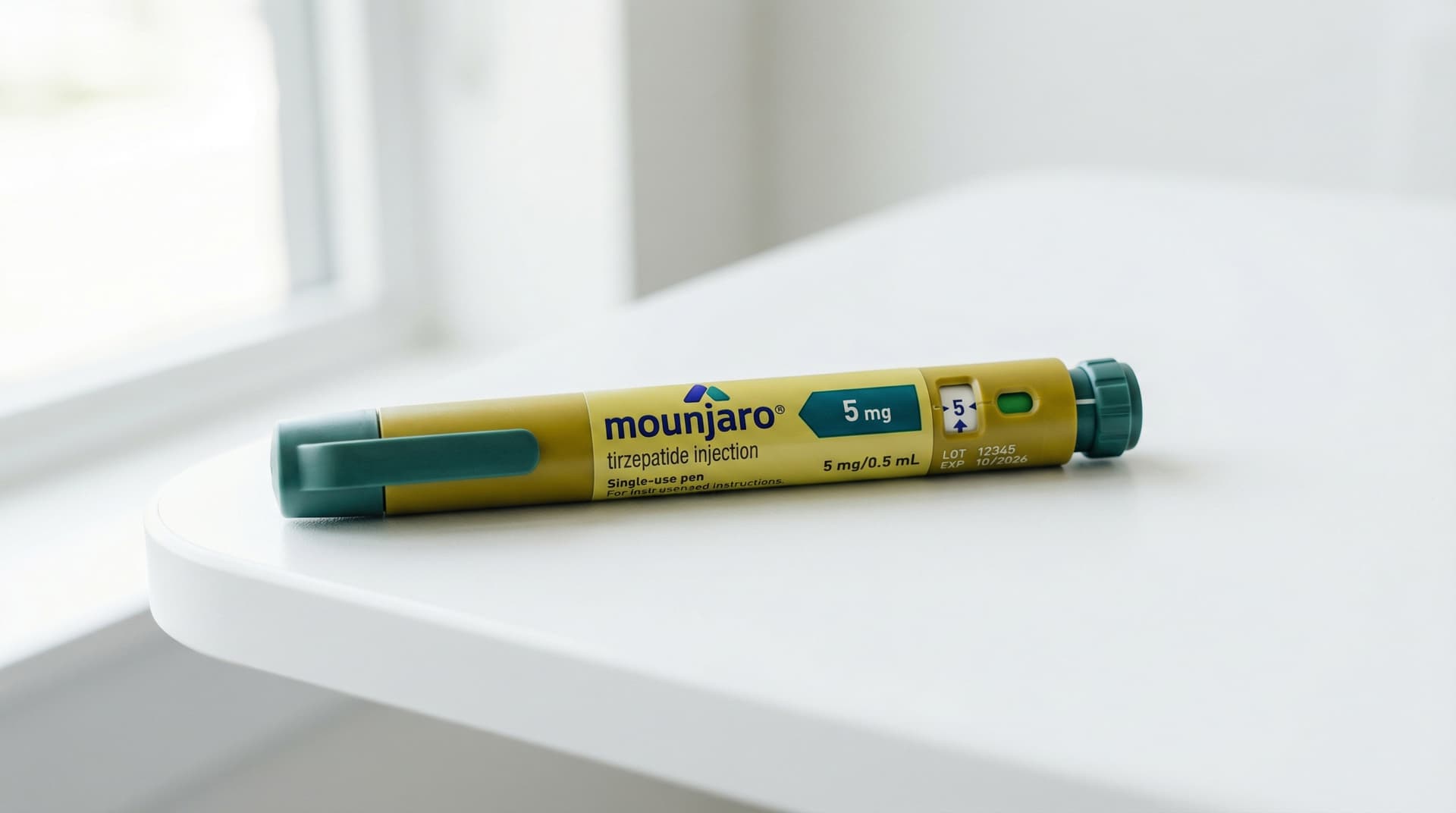
The FDA's Prescription Drug User Fee Act (PDUFA) date for orforglipron is April 10, 2026 — just eleven days away. If approved, Eli Lilly's oral non-peptide GLP-1 receptor agonist would become the first weight loss pill that does not require fasting, special water restrictions, or any of the dosing gymnastics that make oral semaglutide (oral Wegovy) challenging for many patients.
Here is everything you need to know about what could be the most consequential GLP-1 approval since Wegovy.
What Makes Orforglipron Different
Orforglipron is fundamentally different from every GLP-1 drug currently on the market in one critical way: it is a small molecule, not a peptide. All existing GLP-1 medications — semaglutide (Ozempic, Wegovy), tirzepatide (Mounjaro, Zepbound), and liraglutide (Saxenda) — are peptide-based drugs. Peptides are fragile: they break down in stomach acid, which is why most GLP-1 drugs require injection and why oral semaglutide needs the SNAC absorption enhancer and strict fasting protocol.
Orforglipron survives the GI tract on its own. You take it once daily, with or without food, with no water restrictions, and no fasting window. This is a pill that works like a normal pill — and that simplicity could be transformative for adoption.
Phase 3 Results: The Numbers
Eli Lilly's Phase 3 ATTAIN trials produced impressive results:
Weight loss: Participants on the highest dose (60mg) achieved approximately 14.7% body weight loss at 72 weeks. For context, injectable Wegovy produces about 15-17% and Zepbound about 20-22%. While orforglipron trails the injectables on raw weight loss, a 14.7% reduction from a simple daily pill is clinically significant — it crosses the 10% threshold that is associated with meaningful improvements in cardiovascular risk, type 2 diabetes markers, and quality of life.
A1C reduction: In the diabetes-focused ACHIEVE trials, orforglipron reduced A1C by up to 1.6 percentage points at the 60mg dose, putting it in the same range as injectable GLP-1 medications.
Side effects: The GI side effect profile is similar to other GLP-1 drugs. Nausea affected approximately 30-35% of participants, mostly during titration. Importantly, there were no signals for the liver toxicity concerns that derailed some earlier oral GLP-1 candidates.
What Approval Would Mean for the Market
If the FDA approves orforglipron on April 10, the implications are enormous:
Massive expansion of the addressable market. Surveys consistently show that 40-60% of patients who are interested in GLP-1 therapy are deterred by the injection requirement. An easy-to-take daily pill removes that barrier entirely. Analysts estimate orforglipron could add 10-15 million potential new patients to the GLP-1 market in the US alone.
Pricing pressure across the board. Eli Lilly has not announced pricing, but analysts expect orforglipron to launch at $400-600/month — significantly below injectable GLP-1 drugs. As a small molecule, orforglipron is far cheaper to manufacture than peptide-based biologics. This cost advantage could eventually drive prices below $200/month, especially after generic competition begins (though patent protection extends well into the 2030s).
Compounding becomes even less defensible. If patients can get an affordable, effective, FDA-approved daily pill, the case for using compounded injectable GLP-1s weakens dramatically. This could accelerate the decline of the compounding market that the FDA is already pushing.
Potential Roadblocks
The FDA advisory committee review has not flagged any safety concerns that would suggest rejection, but two factors could delay or complicate approval:
Manufacturing scale-up. Eli Lilly has invested heavily in manufacturing capacity, but the expected demand for orforglipron is unprecedented. The FDA may require Lilly to demonstrate adequate supply chain readiness as a condition of approval to avoid the shortage situations that plagued Ozempic and Mounjaro in 2023-2024.
Labeling scope. Lilly is seeking approval for both obesity and type 2 diabetes indications simultaneously. The FDA could approve one indication before the other, which would affect insurance coverage patterns.
What to Watch on April 10
The PDUFA date is a deadline, not a guarantee — the FDA can approve, reject, or issue a Complete Response Letter (CRL) requesting additional data. Based on the Phase 3 data strength and the lack of safety signals, most analysts expect approval. The key questions are the approved indications, any post-marketing requirements, and the launch timeline and pricing.
We will publish a full analysis the day the decision drops. If you are currently considering starting a GLP-1 medication, the orforglipron decision is worth waiting for — it could reshape your options within weeks.