

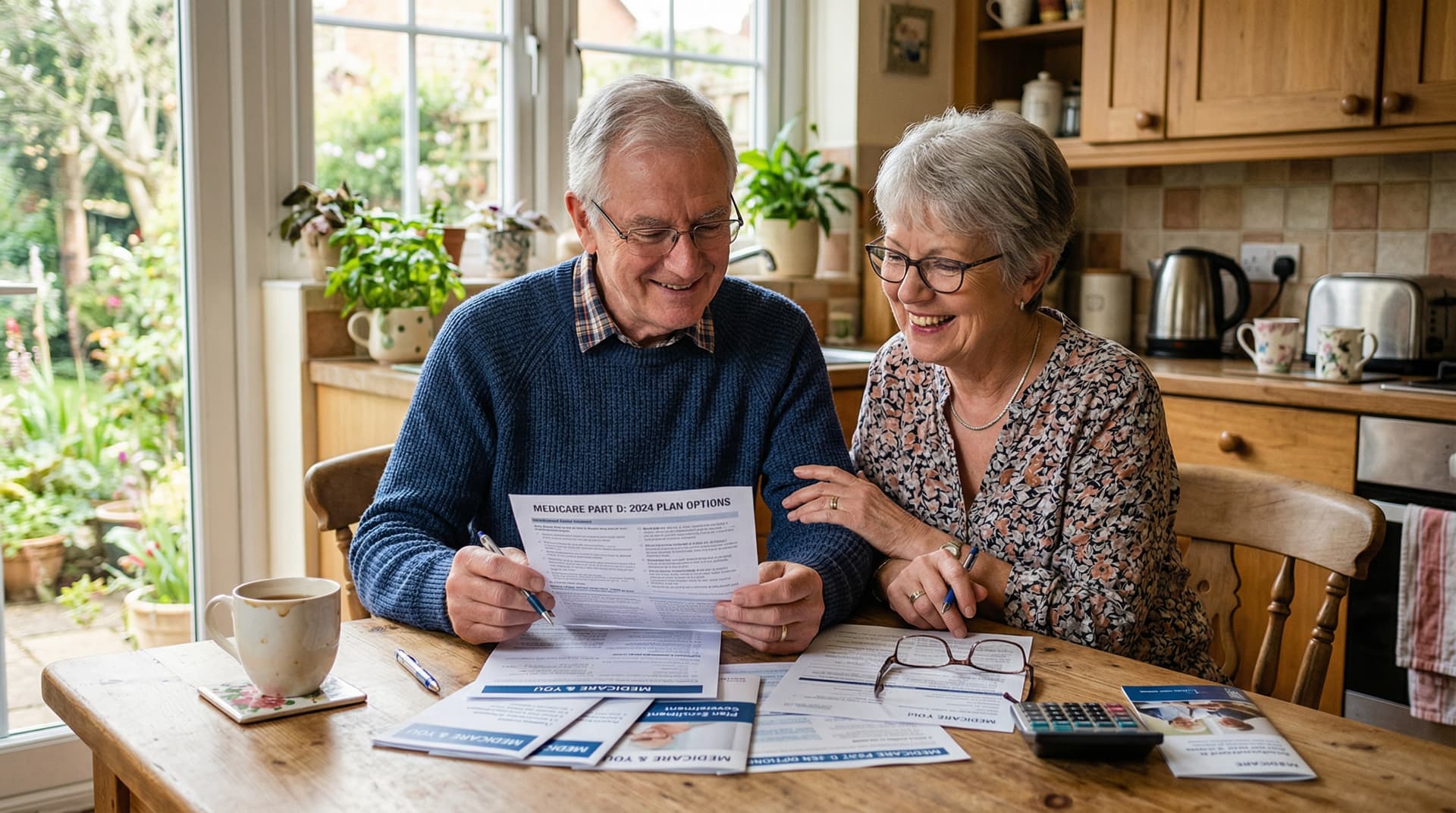
The Medicare GLP-1 Bridge Program is arguably the biggest policy shift in weight loss treatment since Medicare was created. Starting July 1, 2026, millions of Medicare Part D enrollees will be able to access brand-name GLP-1 medications — Wegovy (semaglutide) and Zepbound (tirzepatide) — for just $50 per month out of pocket.
Here are the five things every eligible American should know right now.
1. Eligibility Requires a BMI of 30+ or 27+ With Comorbidities
The Bridge program follows standard obesity treatment guidelines. You qualify if your BMI is 30 or higher, or 27 or higher with at least one weight-related comorbidity such as type 2 diabetes, hypertension, high cholesterol, or obstructive sleep apnea. Your prescribing physician must document this in your medical record.
Importantly, this is a Part D benefit — meaning you must be enrolled in a Medicare Part D prescription drug plan. Original Medicare alone (Parts A and B) does not cover outpatient prescription drugs, so if you only have Original Medicare, you will need to enroll in a standalone Part D plan during the next enrollment period.
2. The $50/Month Price Is Real — But It's a Copay, Not the Full Cost
The $50 figure is your monthly out-of-pocket copay. Medicare will negotiate the remaining cost directly with Novo Nordisk (Wegovy) and Eli Lilly (Zepbound). This is possible through the Inflation Reduction Act's drug price negotiation provisions, which gave CMS unprecedented leverage to set prices for high-cost medications.
For context, the retail price of Wegovy is approximately $1,350 per month without insurance, and Zepbound runs about $1,060. The Bridge program represents savings of over 95% for patients.
3. Your Doctor Must Prescribe Through an Approved Channel
The Bridge program requires prescriptions to flow through participating pharmacies and Part D plans. Not every pharmacy will be set up for Bridge pricing on day one. CMS has published a list of participating pharmacy chains, which includes CVS, Walgreens, and most major retail pharmacies.
Telehealth prescriptions are eligible — you do not need an in-person visit to qualify. However, your provider must document the medical necessity and submit the prescription through your Part D plan's formulary.
4. Compounded Versions Are NOT Covered
This is critical: the Bridge program only covers FDA-approved brand-name medications. Compounded semaglutide and compounded tirzepatide are explicitly excluded. If you are currently using a compounded GLP-1 from a telehealth provider, you cannot transfer that prescription to the Bridge program.
This distinction matters because the FDA has been aggressively cracking down on compounding pharmacies throughout 2025 and 2026. If you are on a compounded version, the Bridge program gives you a path to switch to the FDA-approved brand at an affordable price.
5. Enrollment Opens June 1 — Don't Wait Until July
While the program officially starts dispensing medications on July 1, the enrollment and verification process opens June 1. Given the expected demand — CMS estimates 3.4 million eligible beneficiaries in the first year — early enrollment is strongly recommended.
Contact your Part D plan directly to confirm they are participating in the Bridge program and to begin the pre-authorization process. Your physician can also initiate this on your behalf.
The Bottom Line
The Medicare GLP-1 Bridge is a genuine game-changer for Americans 65 and older who have struggled with obesity. At $50 per month for medications that were previously inaccessible to most Medicare beneficiaries, this program will likely become the largest single driver of GLP-1 adoption in 2026. Start preparing now — the demand will be enormous.