

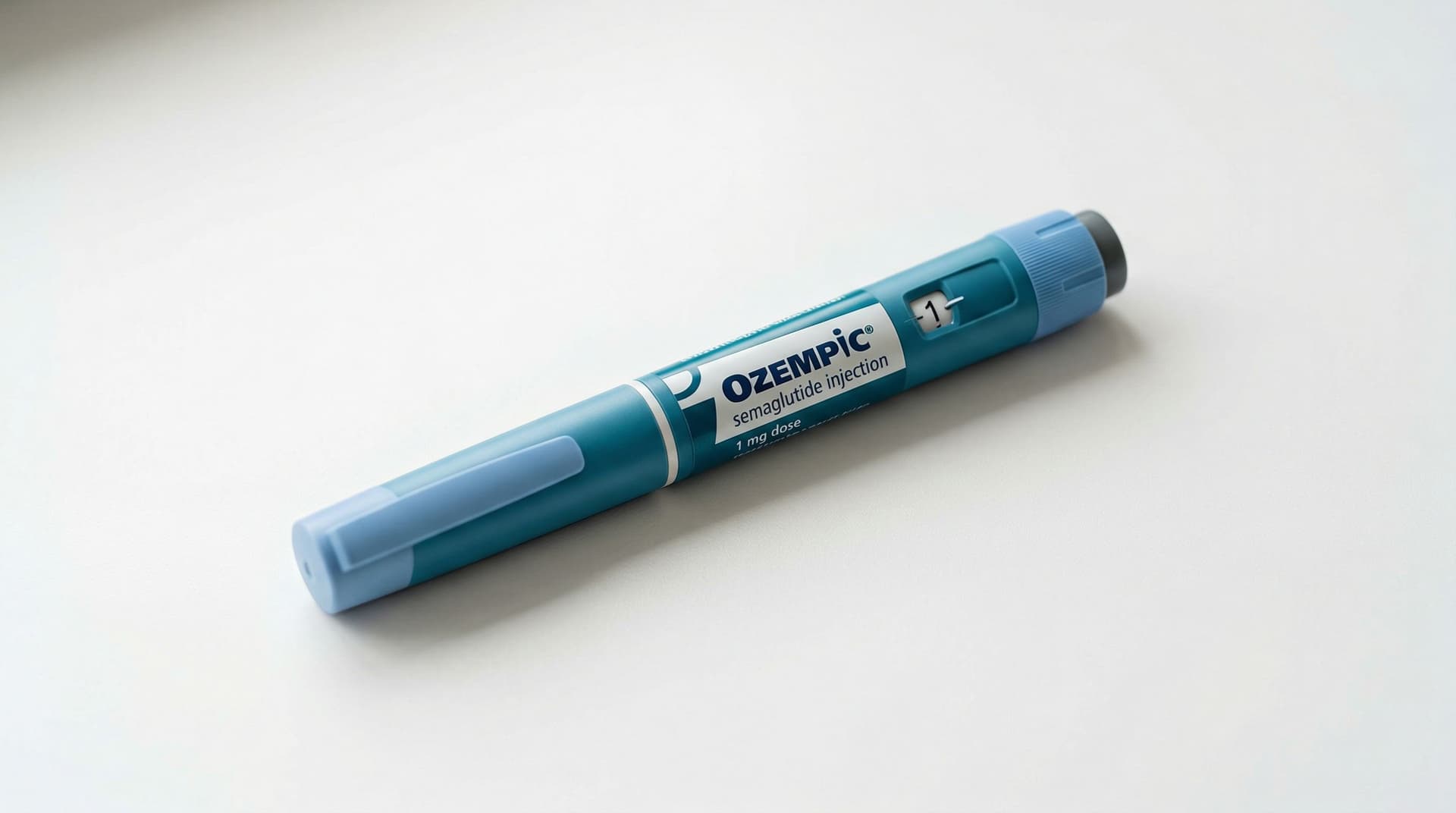
GLP-1 microdosing has gone from a fringe biohacker idea to a mainstream search query in less than a year. Roughly 6,700 people search for some variation of "GLP-1 microdosing" every month in the US, and major telehealth platforms including Hims have started offering microdose-style protocols to compete on price and side-effect tolerability.
But what does microdosing actually mean in this context? Does it work? Who should consider it? And which providers offer it legitimately versus marketing?
This is a clinically-grounded answer, written for people considering the option, not promoting it.
What Is GLP-1 Microdosing?
The standard FDA-approved dose of semaglutide for weight loss (sold as Wegovy) starts at 0.25mg per week and titrates up to 2.4mg per week over 16 to 20 weeks. The standard dose for tirzepatide (Zepbound) starts at 2.5mg per week and reaches 15mg per week.
GLP-1 microdosing refers to using substantially smaller doses than the FDA-approved schedule — typically 0.05mg to 0.125mg of semaglutide per week, or proportionally smaller tirzepatide doses. That's roughly one-fifth to one-half of the lowest standard dose.
Microdosing is not a separate medication. It's the same compounded semaglutide or tirzepatide as a standard prescription, just dispensed in smaller amounts. This is only practically possible through compounding pharmacies, since branded Wegovy and Zepbound pens come in fixed doses you can't fractionally adjust.
Why People Microdose
Three main reasons drive the interest:
1. Side effect tolerance — Standard doses cause significant nausea, vomiting, and gastrointestinal discomfort in 20-40 percent of patients. Smaller doses reduce these effects substantially. 2. Maintenance after weight loss — Patients who hit their goal weight on a standard dose often want to maintain results without continuing at full strength. Microdosing offers a "step-down" rather than abrupt discontinuation, which is associated with rapid weight regain. 3. Cost — Compounded microdoses are dispensed in smaller volumes, which can lower the monthly cost. Some providers price microdose plans at $99 to $149 per month versus $179 to $299 for standard compounded protocols.
Does It Actually Work?
This is where the science gets thin.
For initial weight loss in higher-BMI patients: Microdoses are likely under-effective. The FDA-approved doses were determined through Phase 3 trials specifically to balance weight loss outcomes against side effects. Reducing the dose by 75 percent reduces the active drug exposure by 75 percent. There is no published clinical trial demonstrating that microdoses produce equivalent weight loss in patients starting from obesity.
For maintenance after weight loss: The evidence is more interesting. Several small observational studies and clinical case series suggest that lower maintenance doses can sustain a meaningful portion of the weight loss achieved on a higher dose, while reducing side effects and cost. This pattern matches what we already know about chronic disease pharmacology — the dose required to induce a change is often higher than the dose required to maintain it.
For "anti-aging" or metabolic health: This is the most speculative use case. Some clinics promote microdosing for inflammation reduction, cardiovascular protection, or longevity. The clinical evidence here is essentially absent. We strongly recommend treating any "longevity microdose" marketing skeptically.
The honest summary: microdosing is a reasonable maintenance strategy and a defensible side-effect management approach, but it is not a weight-loss-on-a-budget shortcut. Patients who start at a microdose typically lose less weight than patients who titrate to a standard dose.
Which Providers Offer Microdosing
Most online GLP-1 telehealth providers are willing to prescribe lower-than-standard doses, but few advertise microdosing explicitly. From our comparison of 35 GLP-1 providers, the providers most willing to work with microdose protocols are:
- TrimRx — Personalized doctor consultations explicitly include dose customization. Patients on maintenance protocols often work with reduced doses. See our TrimRx review.
- Yucca Health — LegitScript-certified, prescribes based on individual clinical assessment. Microdose maintenance plans available after initial response.
- Eden Health — Board-certified physicians and lab monitoring make this a strong choice for patients who want clinical oversight on a non-standard protocol.
For patients specifically interested in the lowest possible cost during maintenance, our cheapest GLP-1 programs guide lists options starting at $99 per month for compounded semaglutide. Some of these providers will accommodate microdose requests if you discuss it with the prescribing physician.
Hims, Ro, and Other Major Players
Hims has marketed lower starting doses as part of their compounded semaglutide program (priced from $199/month). However, Hims is transitioning toward FDA-approved Wegovy distribution following their Novo Nordisk partnership, which limits dose flexibility going forward. Ro and other major telehealth brands stick to standard titration schedules in most cases.
What to Ask Your Provider
If you're considering microdosing, ask the prescribing physician these questions before starting:
1. What is the specific weekly dose you are recommending, in milligrams? 2. Is this protocol for initial weight loss, maintenance, or side-effect mitigation? 3. What is the expected timeline to evaluate effectiveness? 4. Will I be monitored for any specific labs? 5. What happens if the response is inadequate — do we titrate up, switch medications, or stop?
A reputable provider will answer these specifically. Vague answers like "we'll figure it out as we go" are a red flag.
Cost Comparison
| Protocol | Typical Cost | Best For |
|---|---|---|
| Standard compounded semaglutide | $69-299/month | Initial weight loss, established protocols |
| Microdose maintenance | $79-149/month | Post-goal weight maintenance |
| Brand Wegovy/Zepbound | $1,059-1,349/month | Patients with insurance coverage |
| Foundayo (oral GLP-1) | $149/month | Needle-averse patients |
For full pricing across all 35 providers we track, see our comprehensive cost comparison. Take the 60-second match quiz for a personalized recommendation based on your goals and budget.
The Bottom Line
GLP-1 microdosing is real, clinically defensible for certain use cases, and increasingly available through compounding pharmacies. But it is not a cheat code. The patients who do best on microdose protocols are typically those who first achieved meaningful weight loss on a standard dose and now want to maintain results sustainably.
If you are starting GLP-1 therapy from scratch and want the lowest sustainable cost, you are likely better off on a standard compounded protocol from a reputable provider rather than a microdose. The math on weight loss outcomes is straightforward: lower dose, lower drug exposure, lower expected effect.
For maintenance, side effect management, or step-down protocols after reaching your goal weight, microdosing is a legitimate option worth discussing with your prescriber. Just make sure your prescriber is a real licensed physician, the pharmacy is licensed (LegitScript verified is a good signal), and the protocol is documented in writing.
We'll continue tracking which providers offer formal microdose programs as the market evolves. Bookmark our provider rankings for monthly updates.